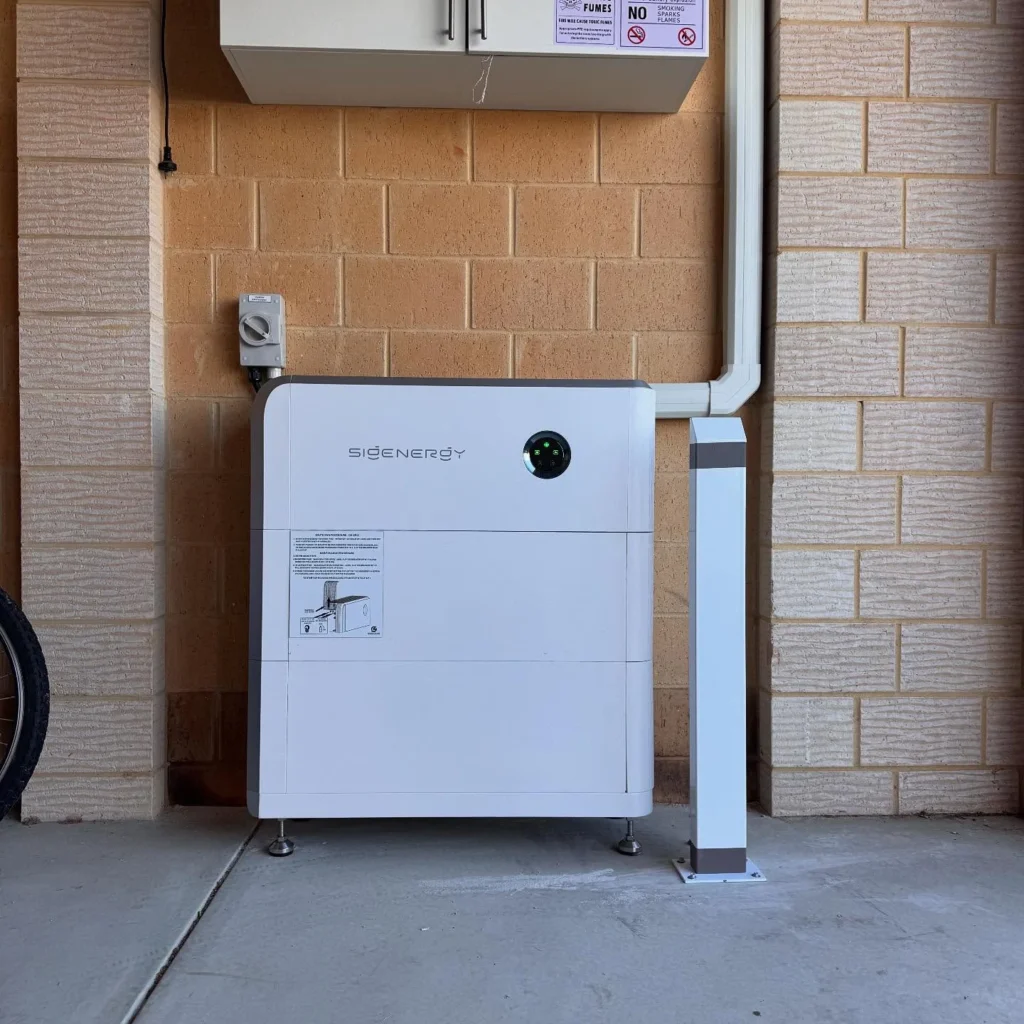
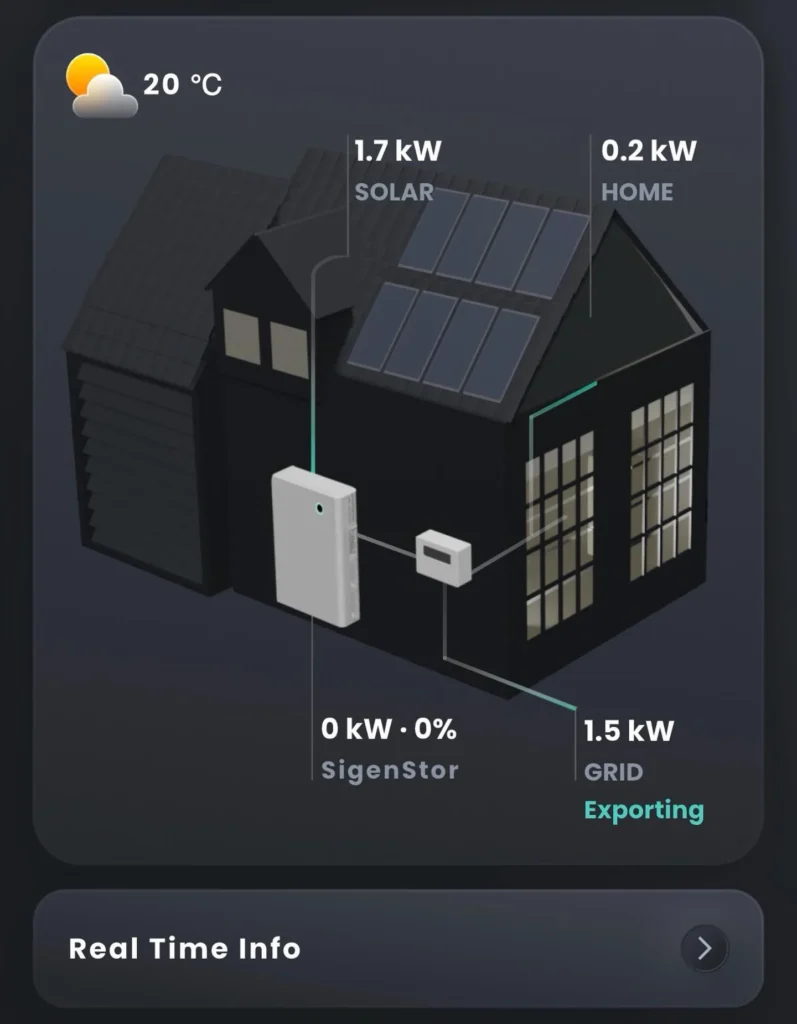
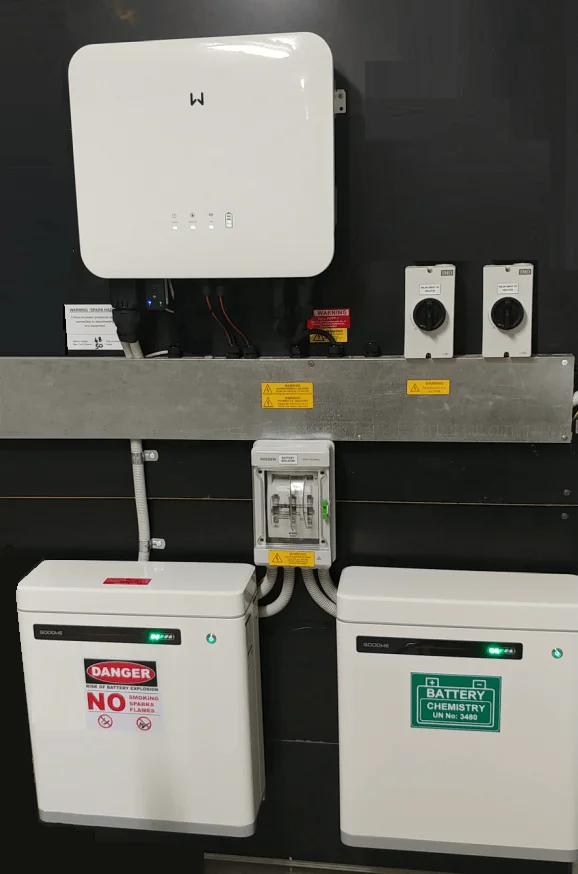
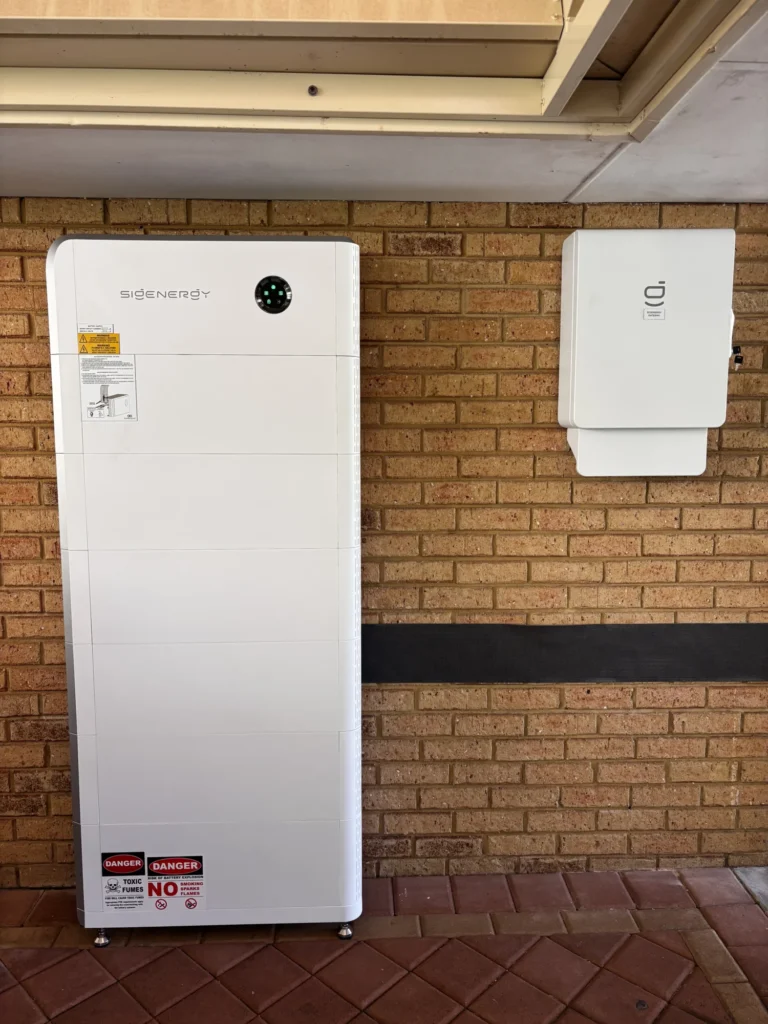
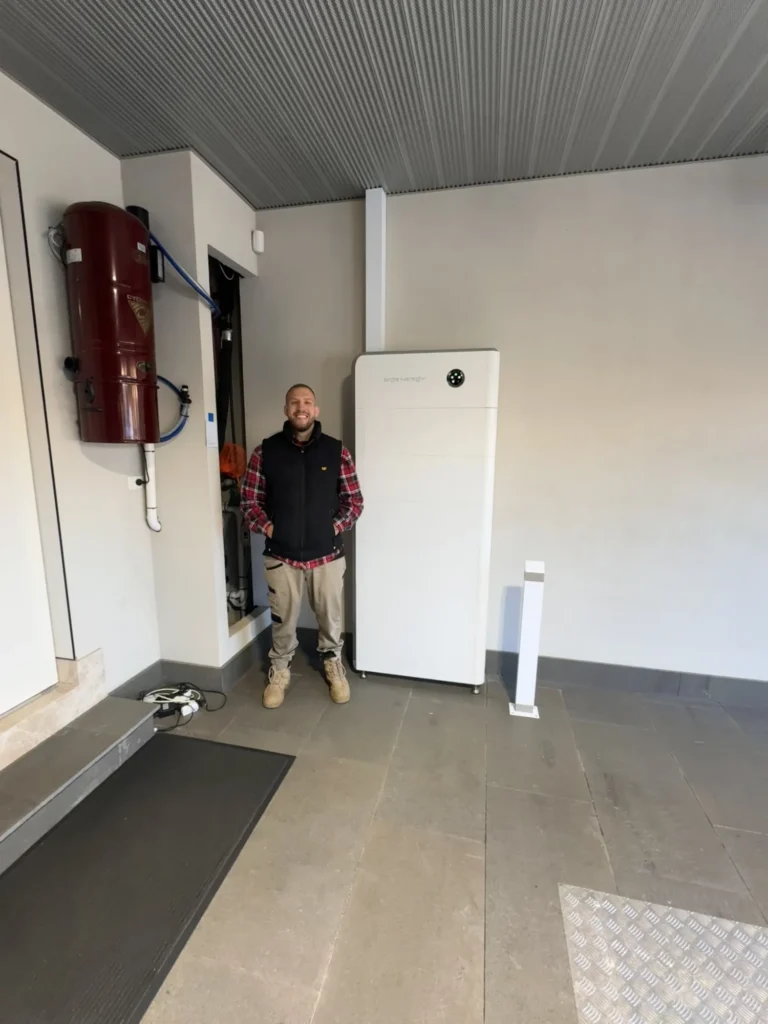
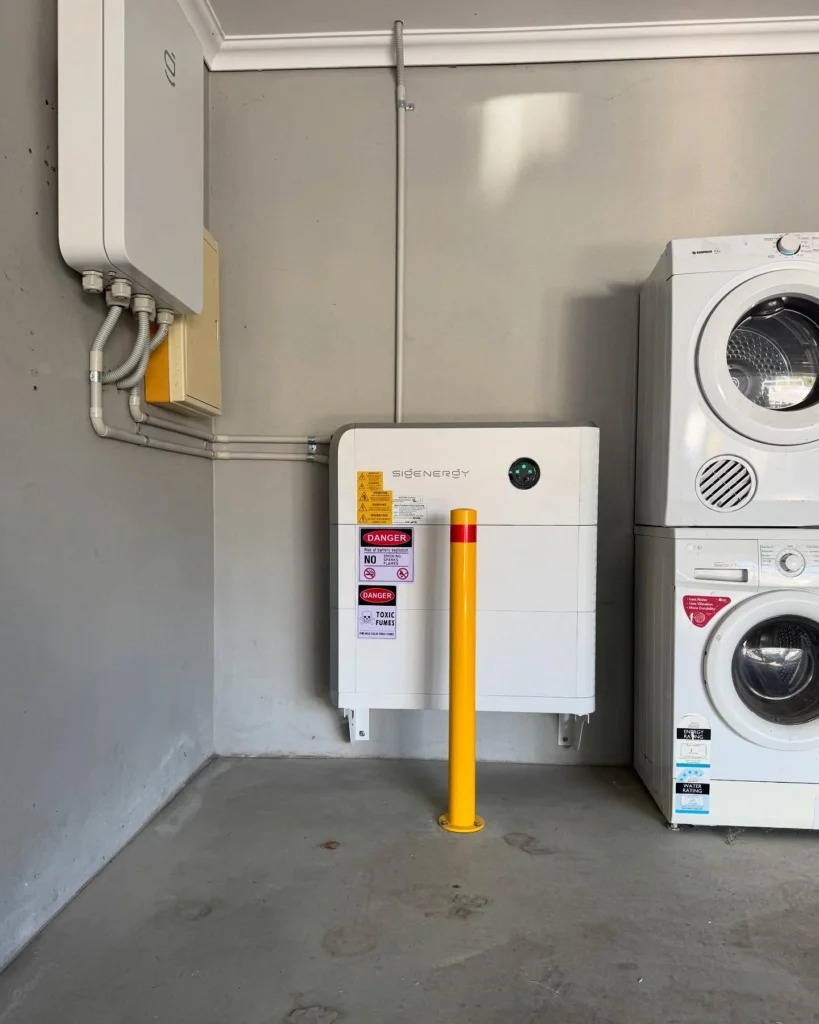
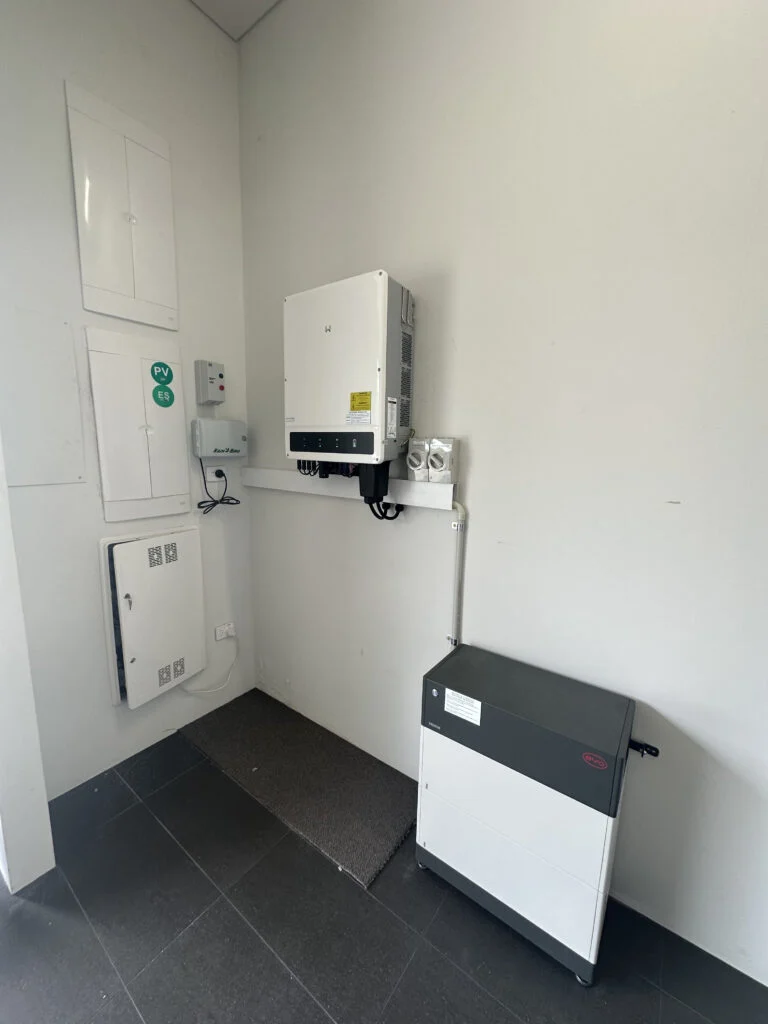
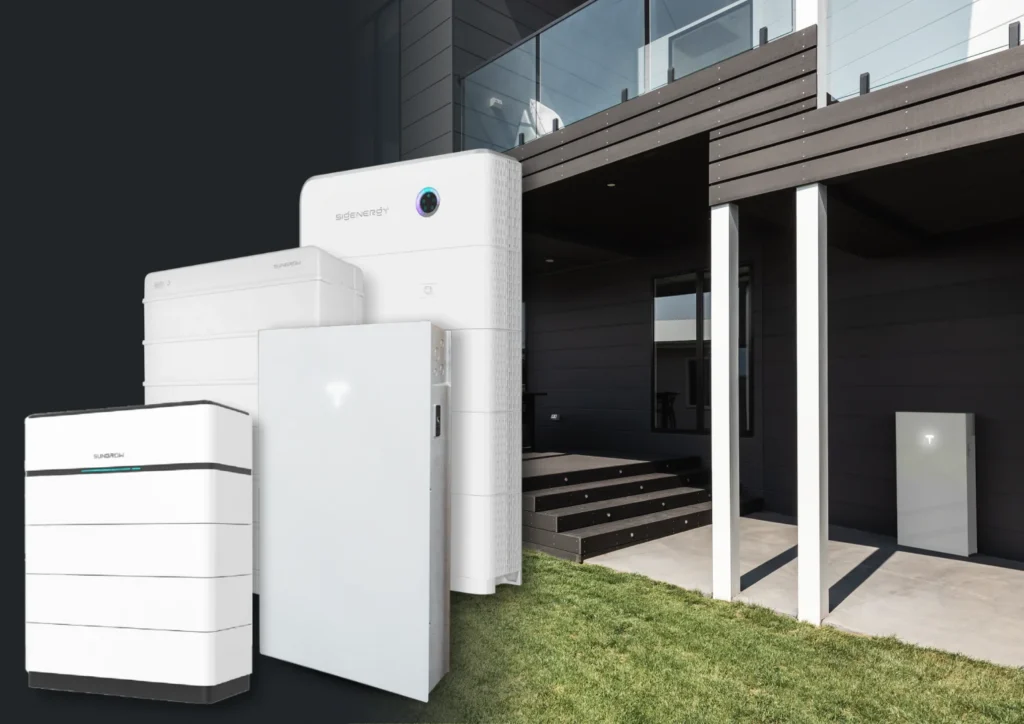
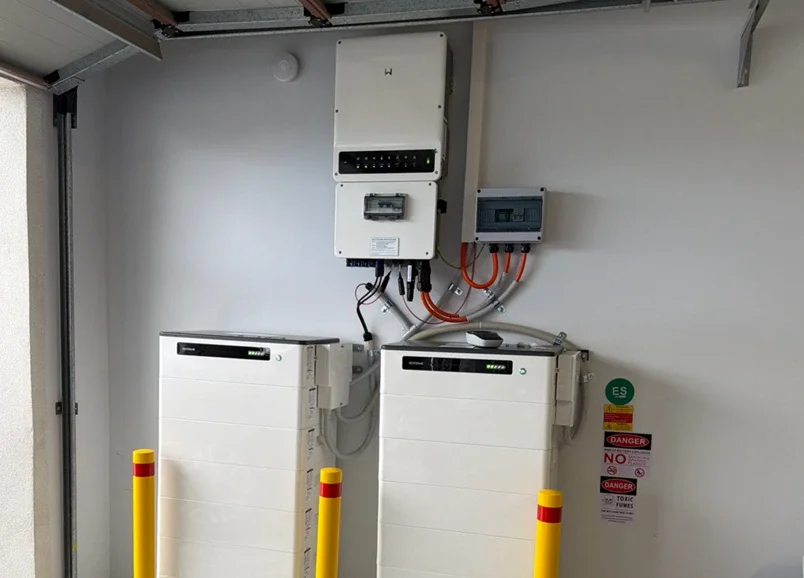
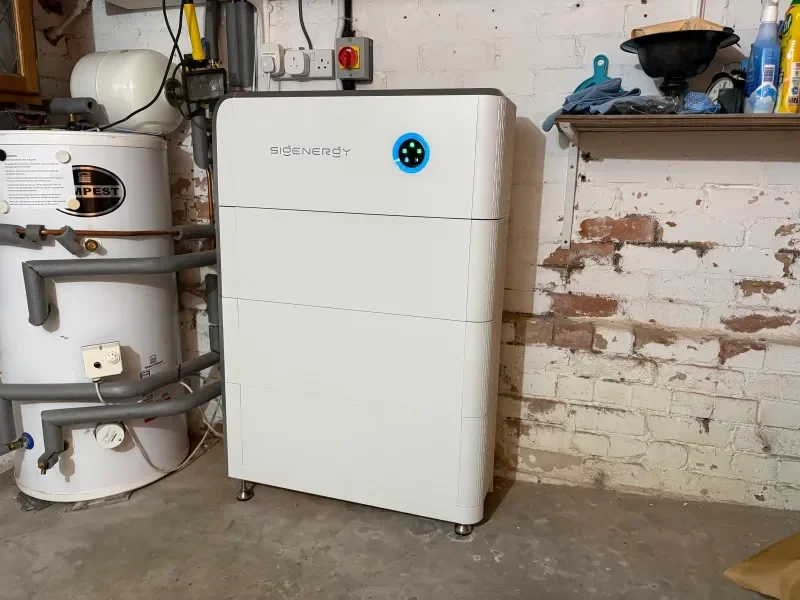
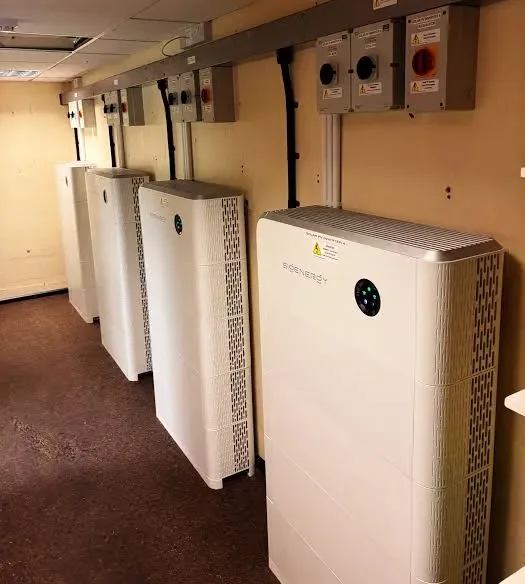
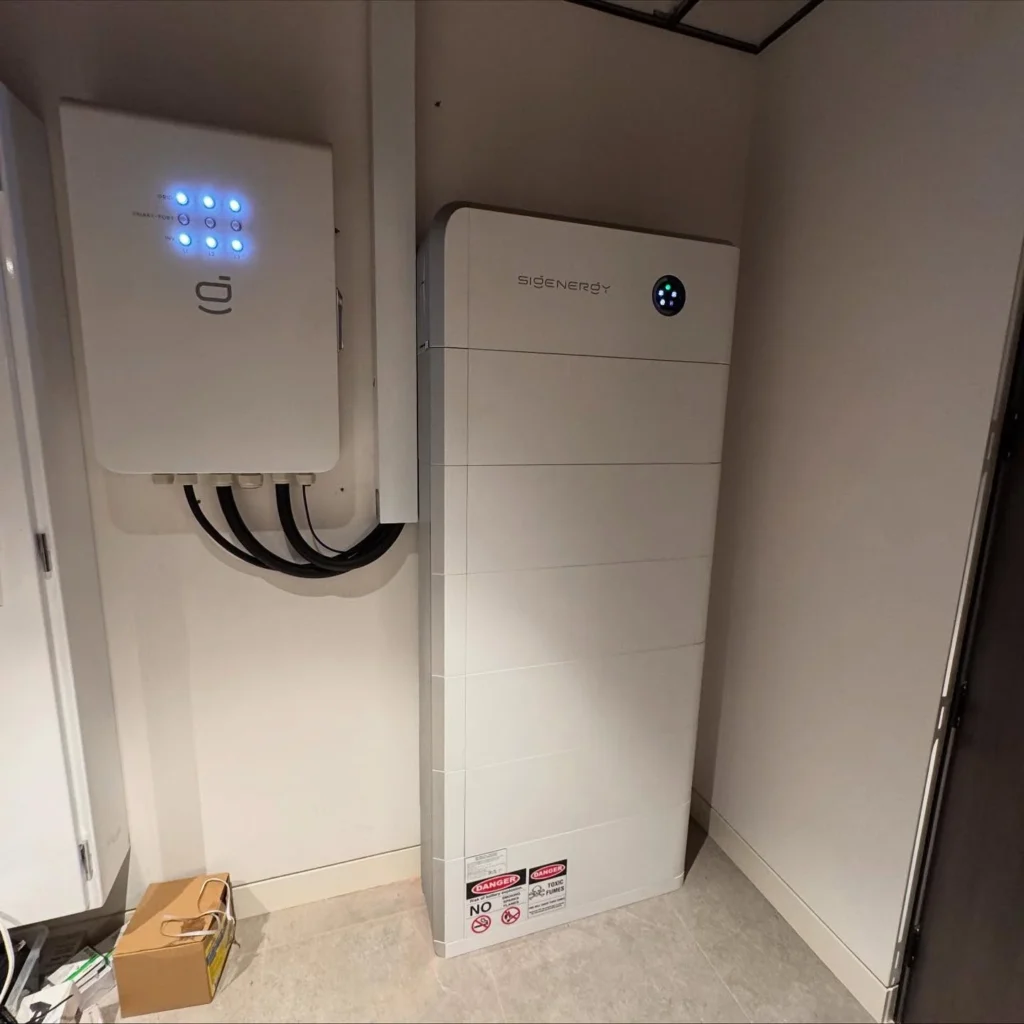
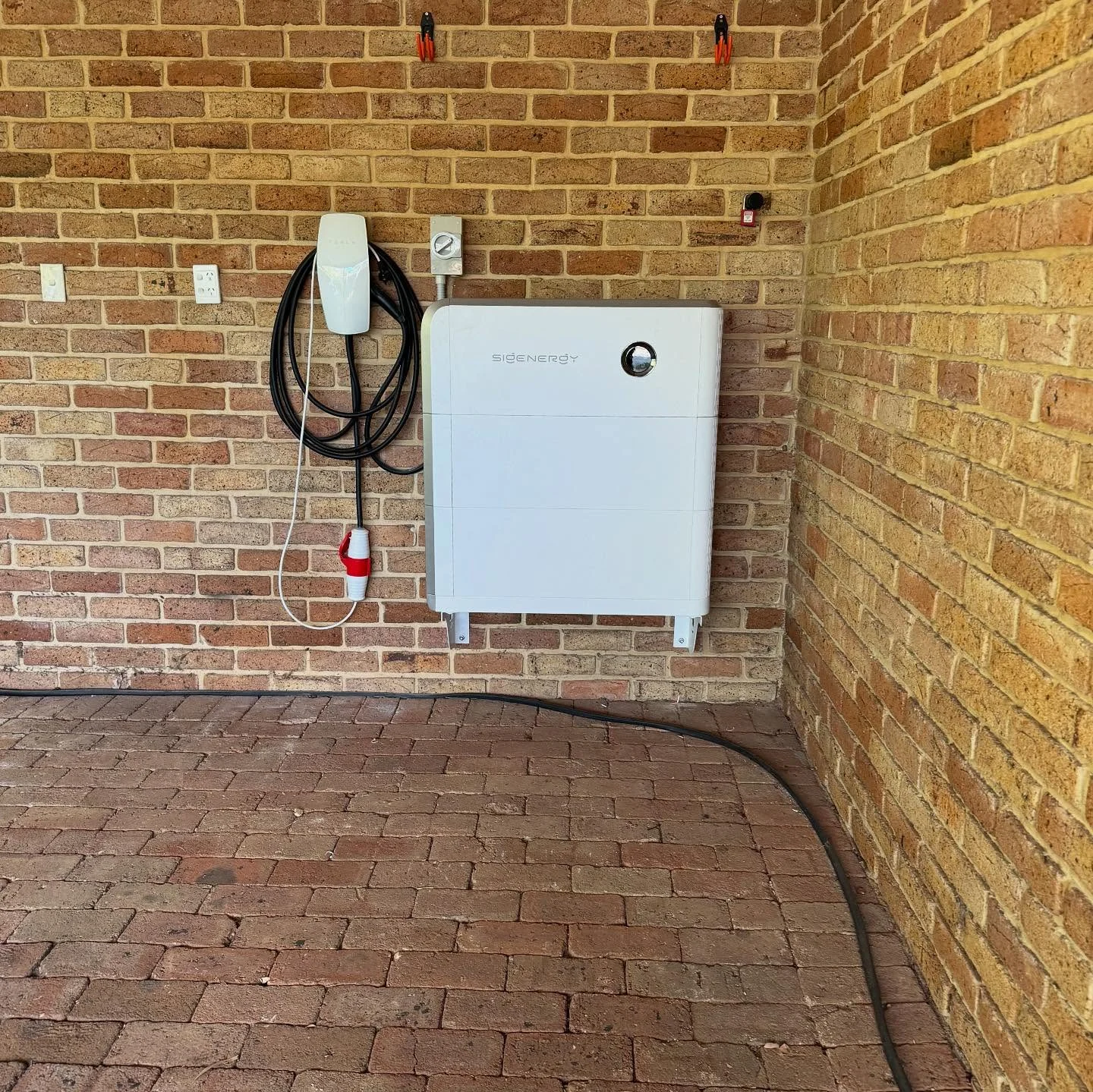
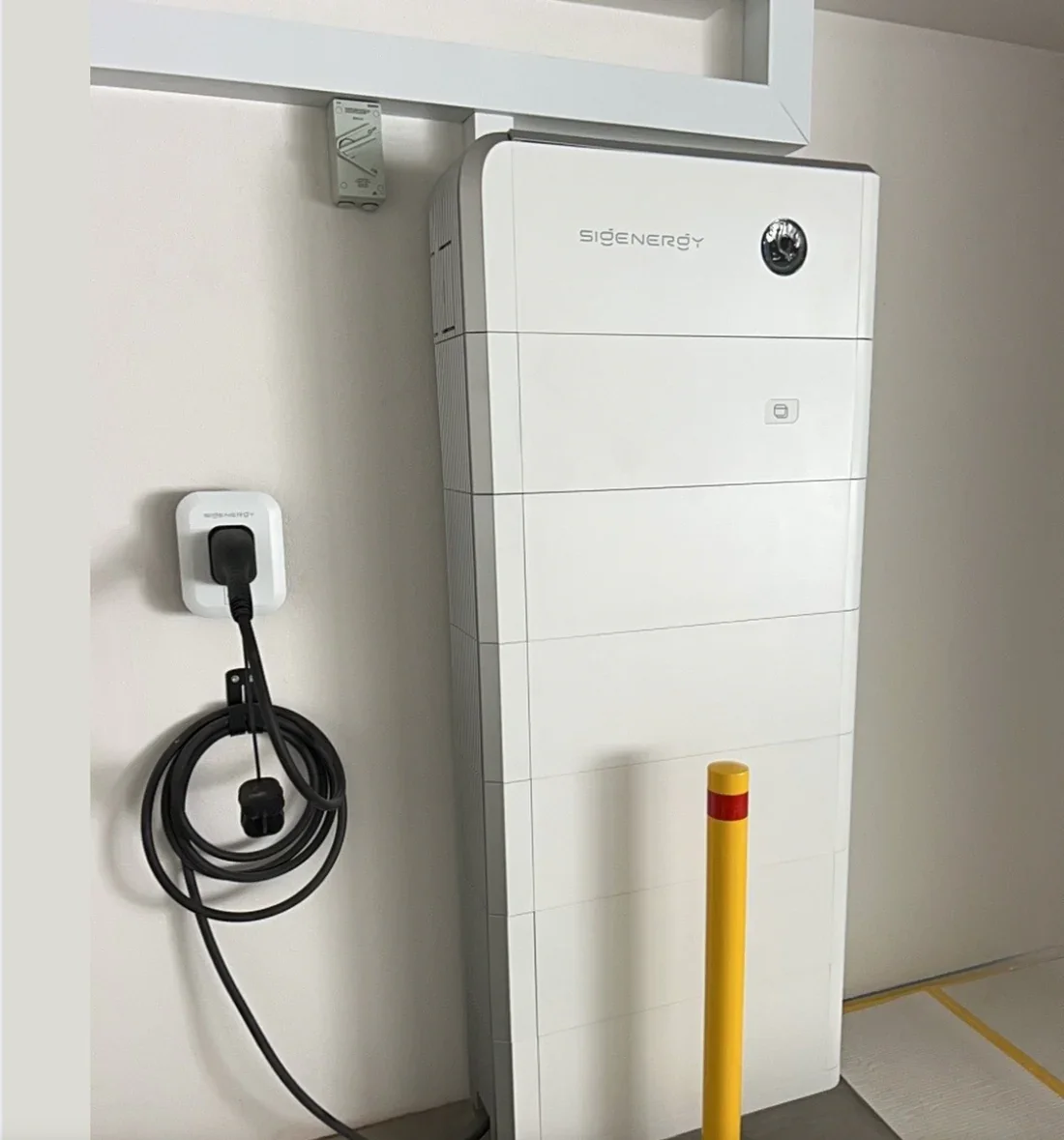
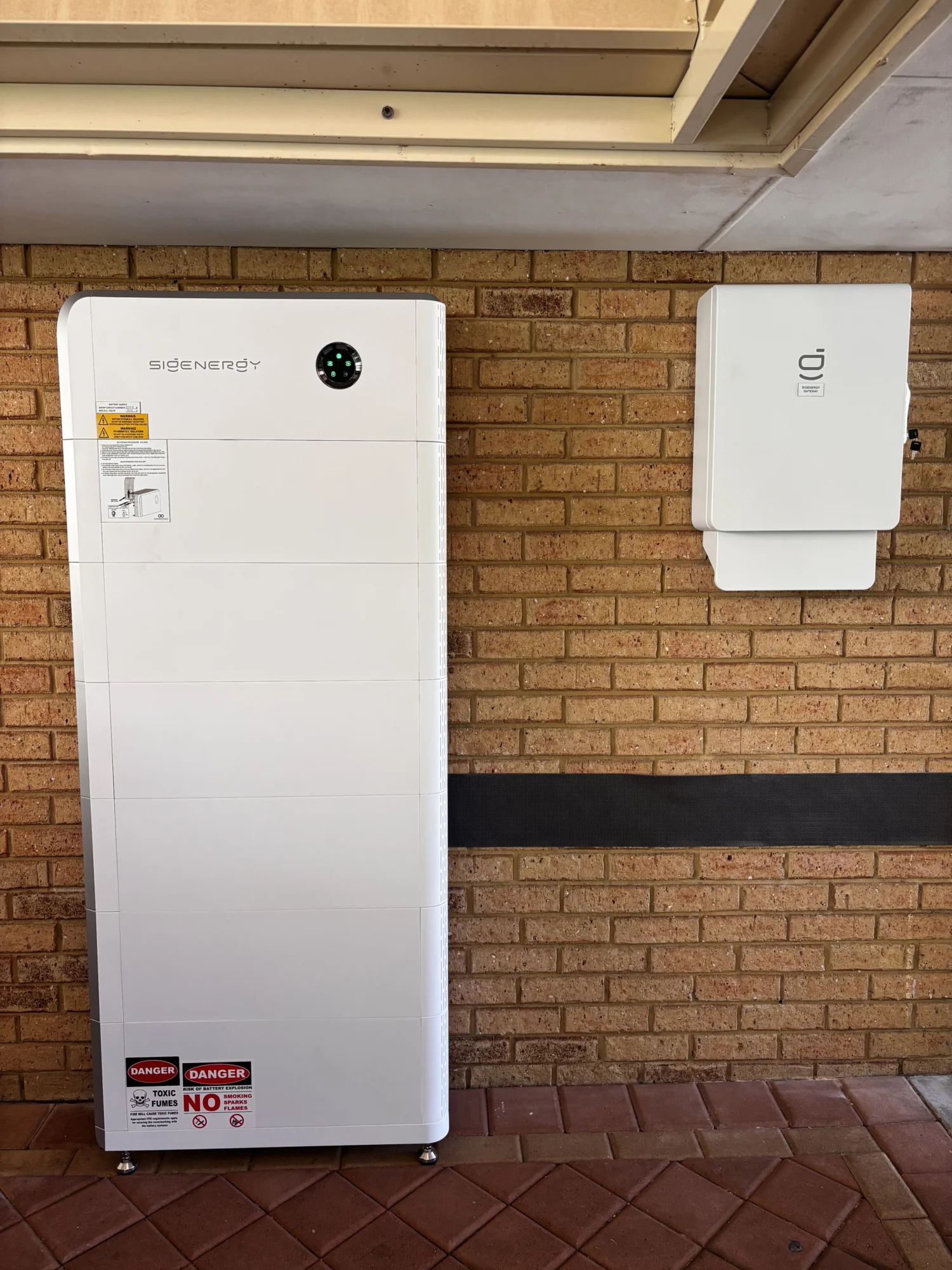
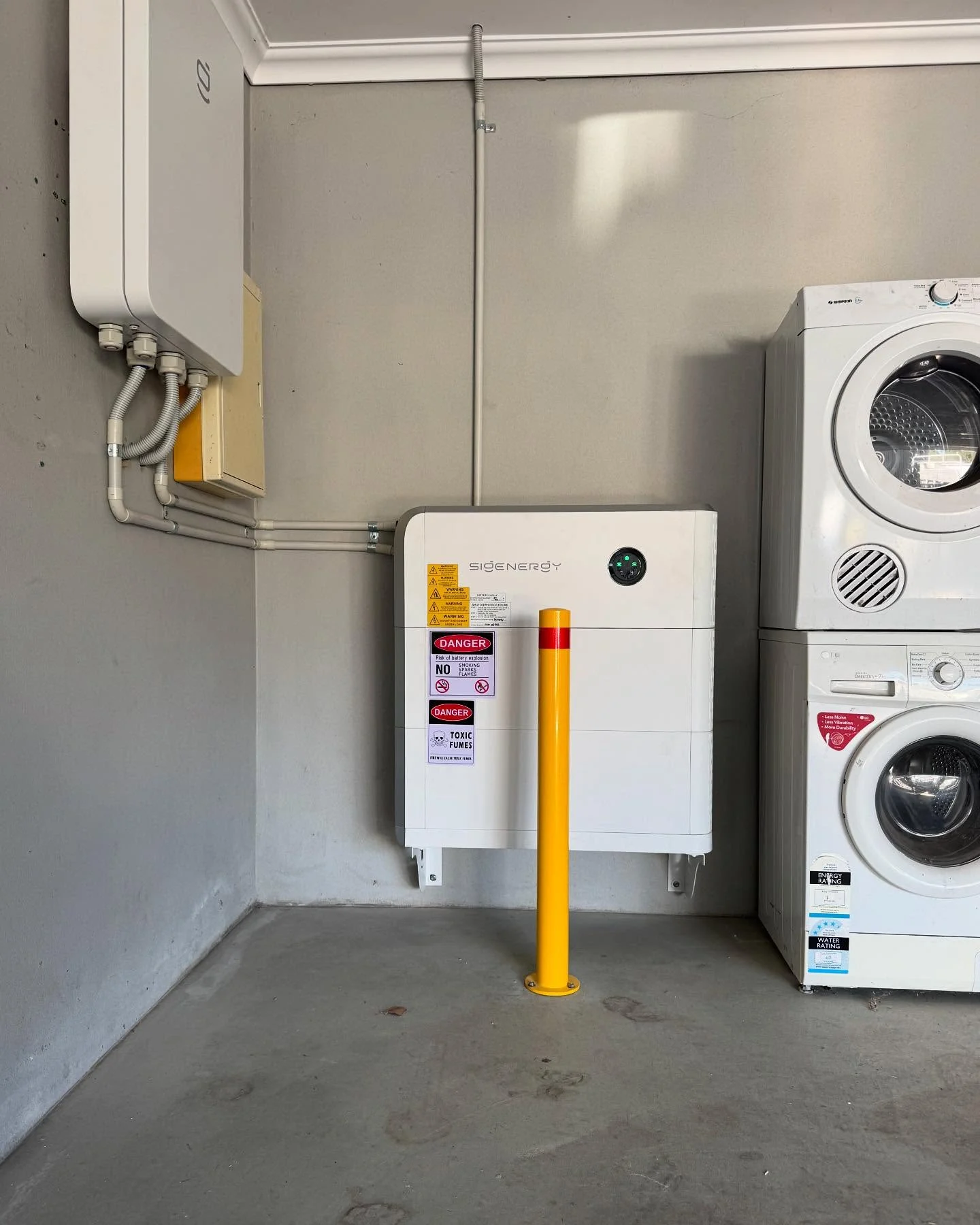
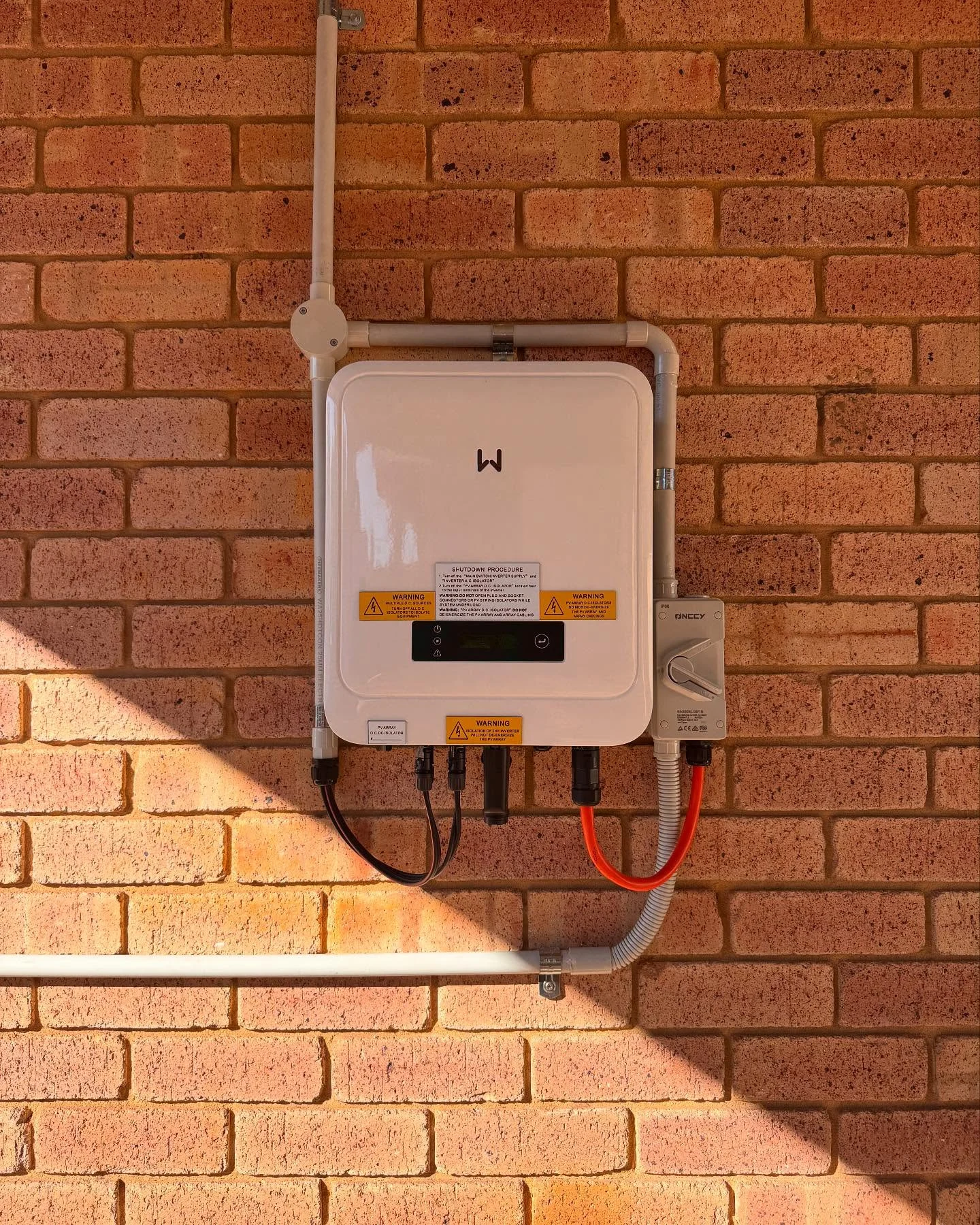
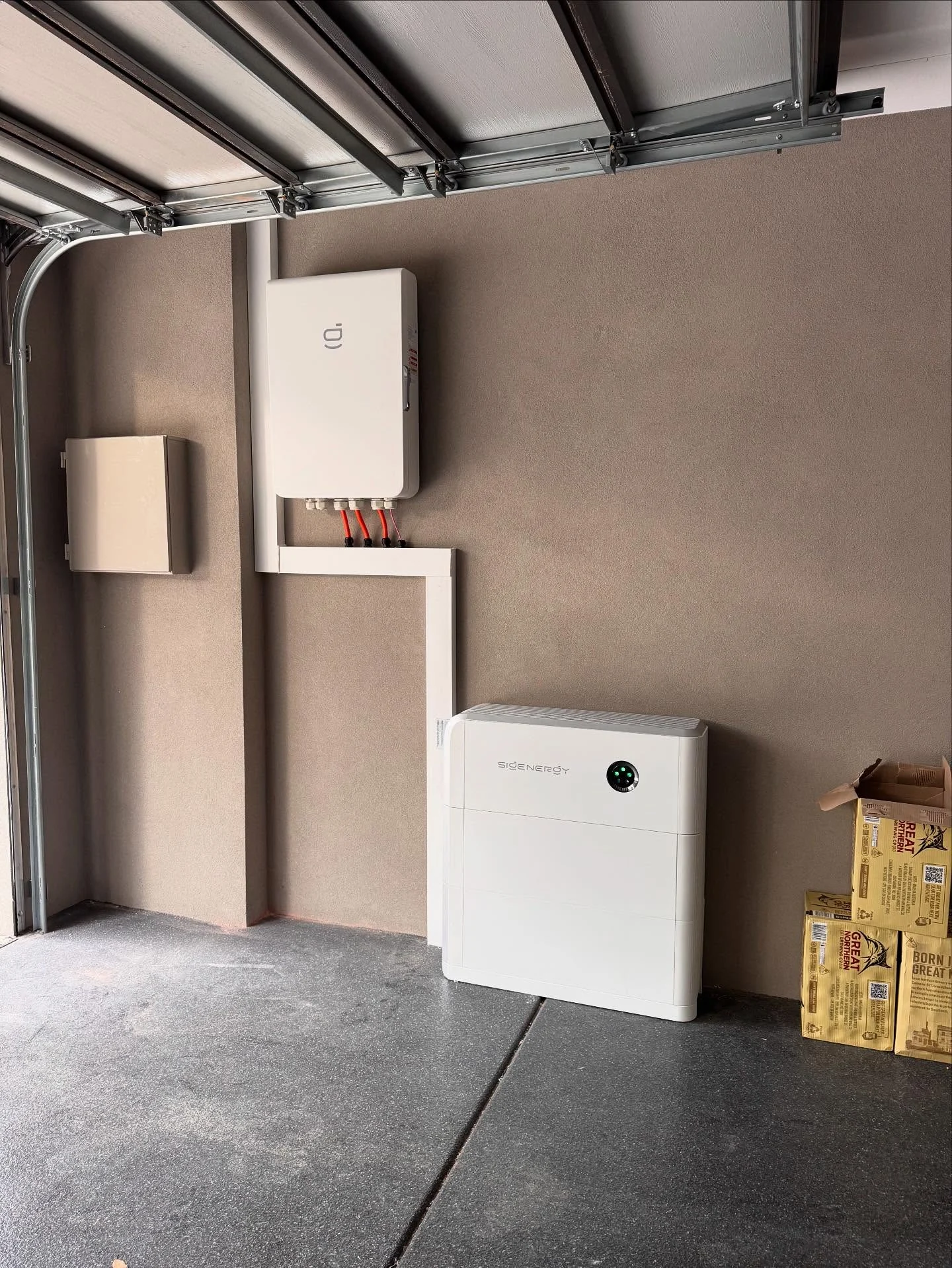
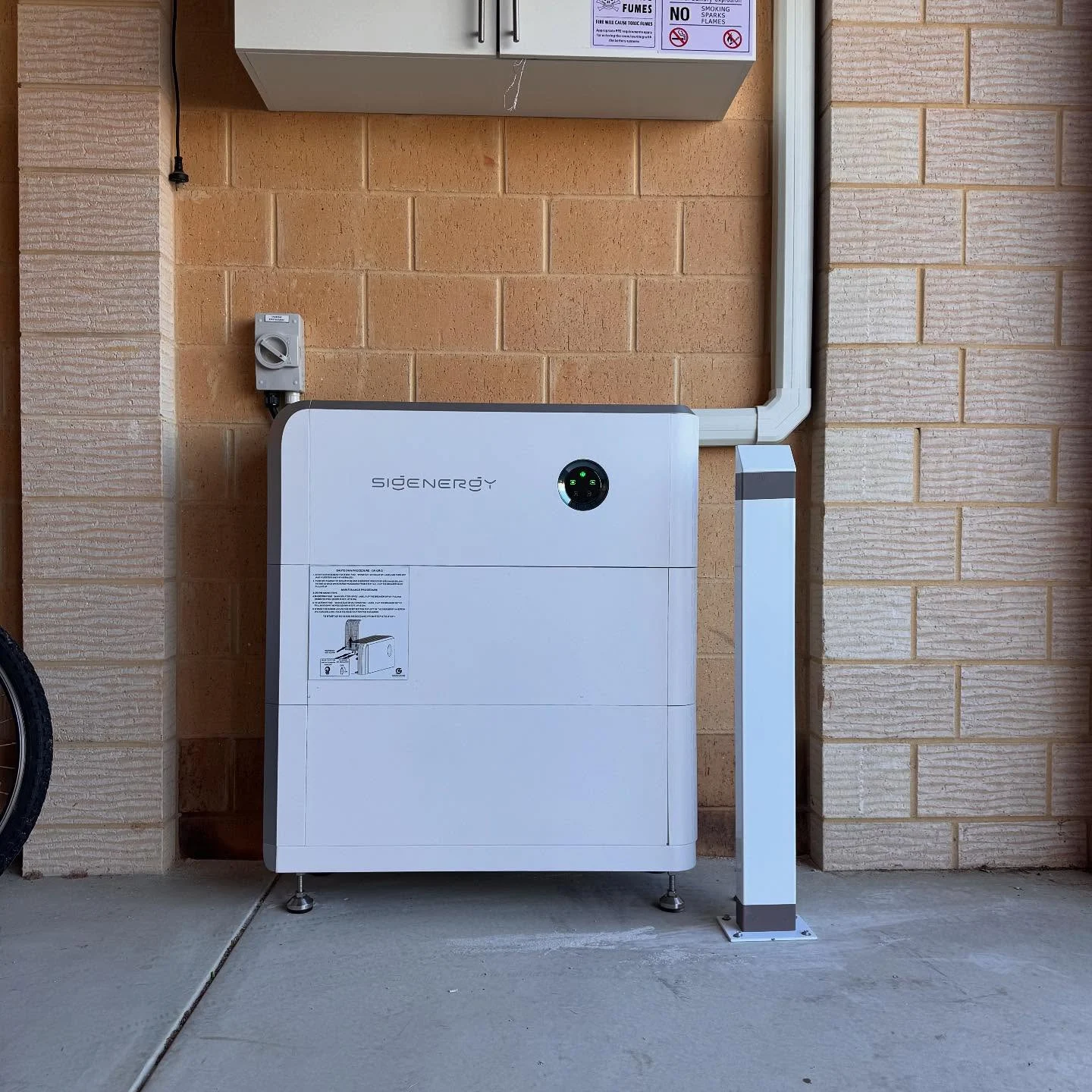
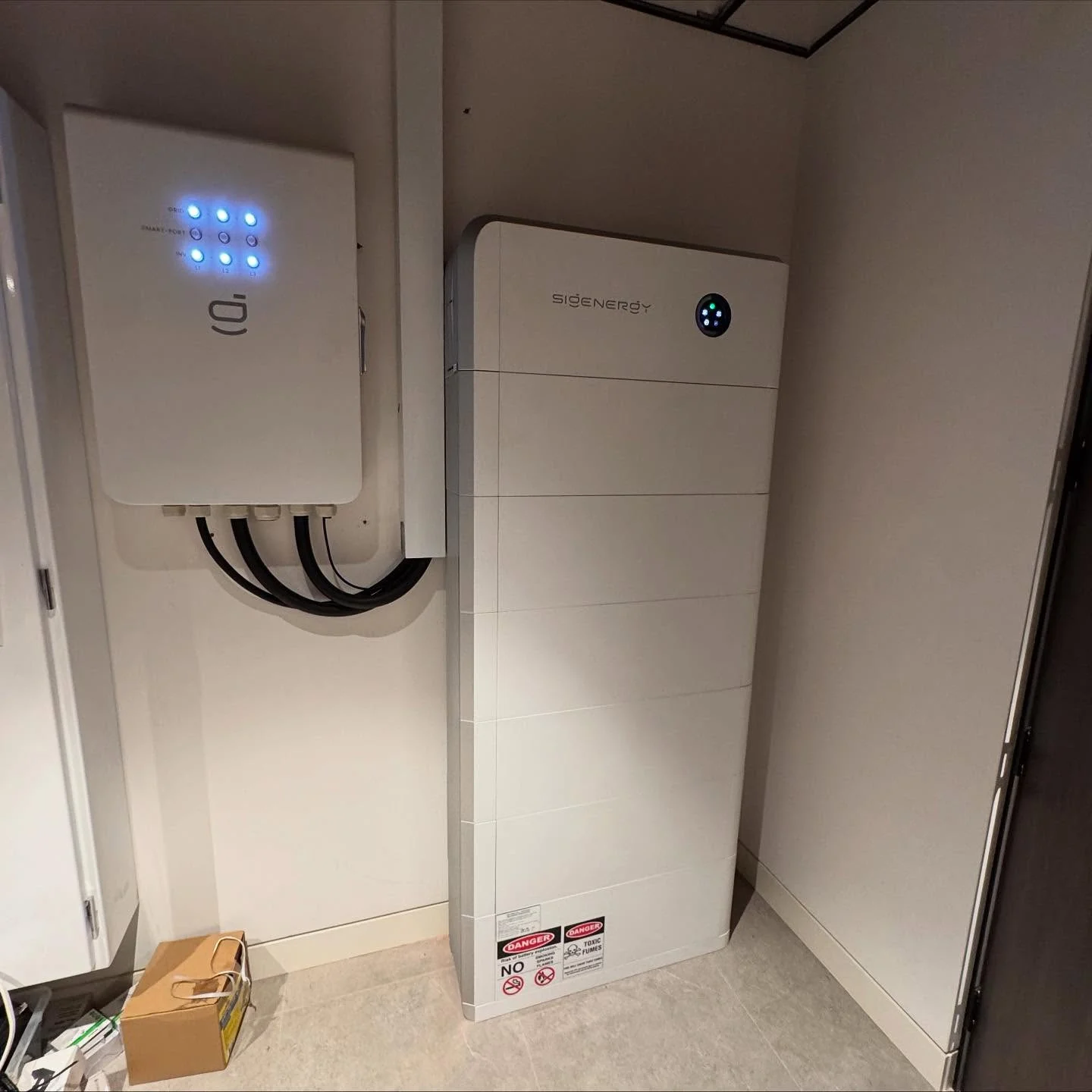
A battery does one job: it holds the solar energy your home cannot use at the moment it is produced, then gives it back when the panels stop. The surplus generated between roughly 10am and 3pm is stored instead of exported, then drawn down through the evening peak when the oven, the air conditioning and the pool pump all want power at once.
How much surplus you have is the whole question. A house where everyone leaves at 7am and returns at 6pm exports almost everything it makes, so a battery has plenty to work with. A house with someone home all day, or ducted air conditioning running through summer, already uses a good share of its own generation, which changes the sizing and sometimes the recommendation.
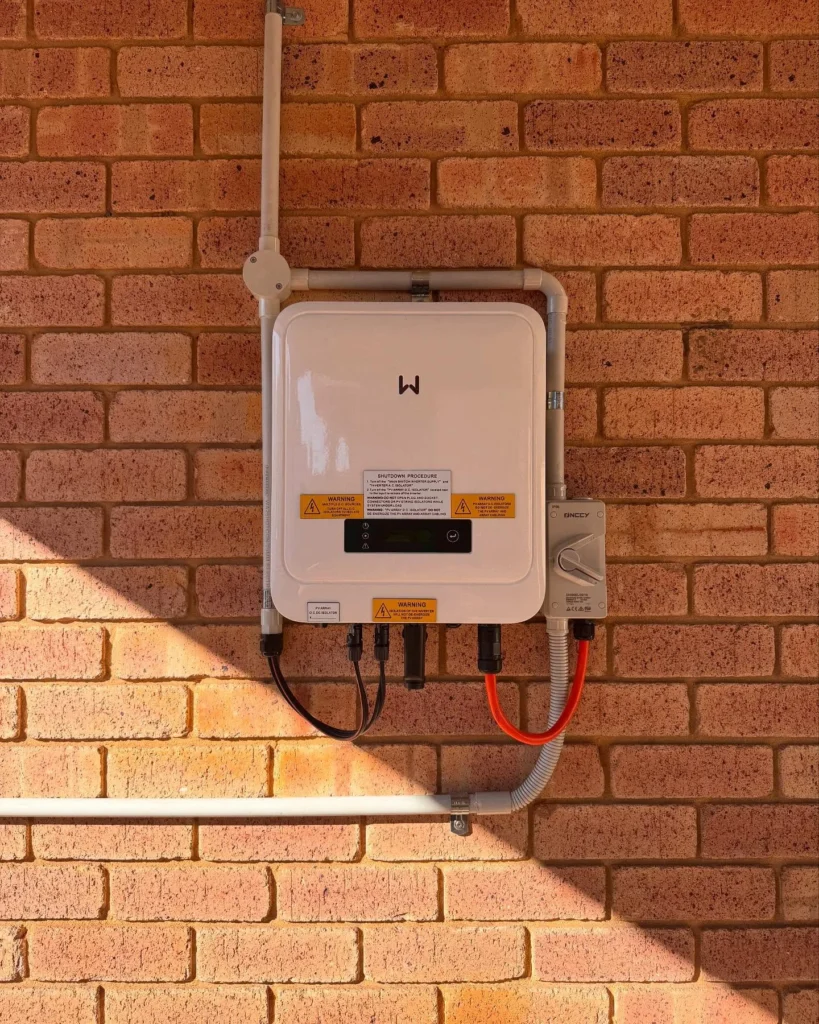
That is why the first step is your own data rather than an average. We read the inverter history to see the shape of your day, then size storage around it. If the array is small for the household, expanding it can be the better first move, and we will say so. Perth's high summer generation and mild winters mean a well-sized battery cycles most days of the year rather than sitting idle. Anyone weighing up EV charger installation should factor that load in now, because a car changes the numbers more than any appliance in the house.
Want to know what your solar surplus actually looks like?