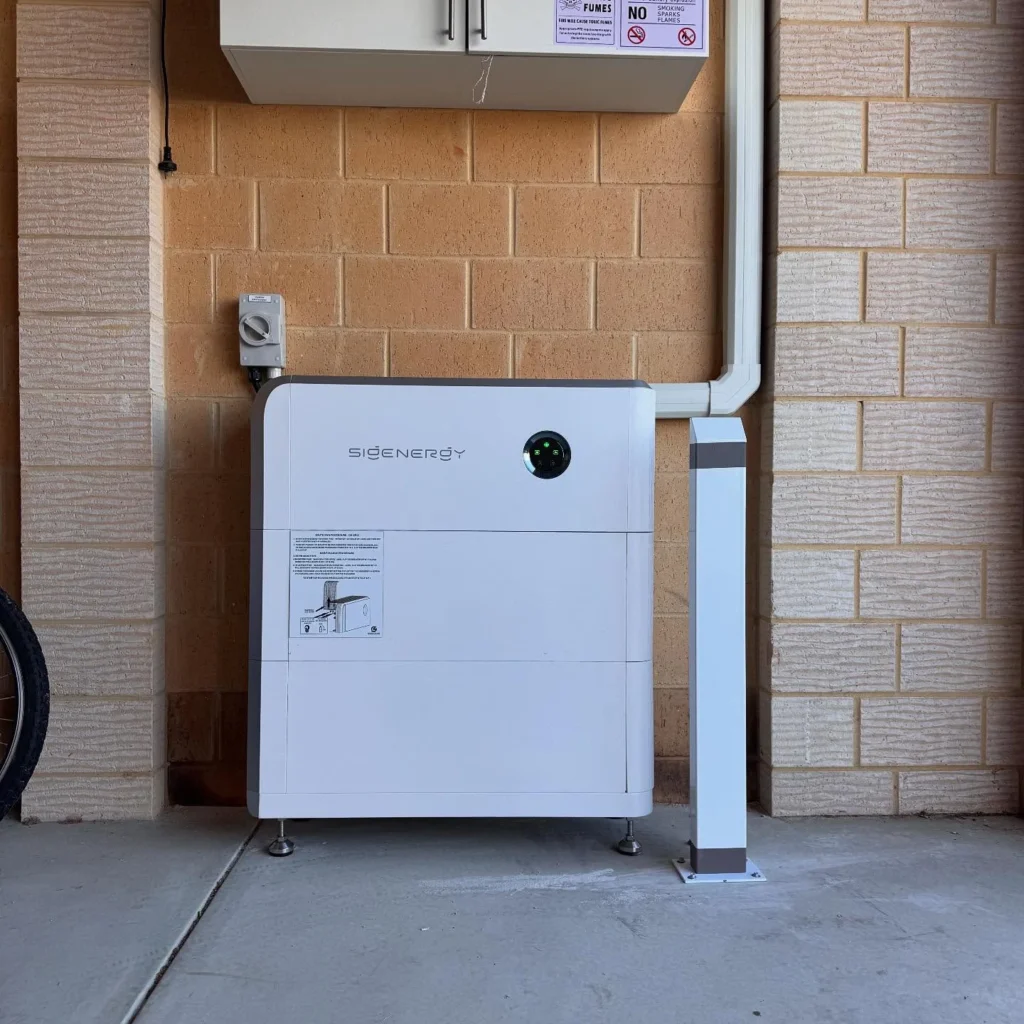
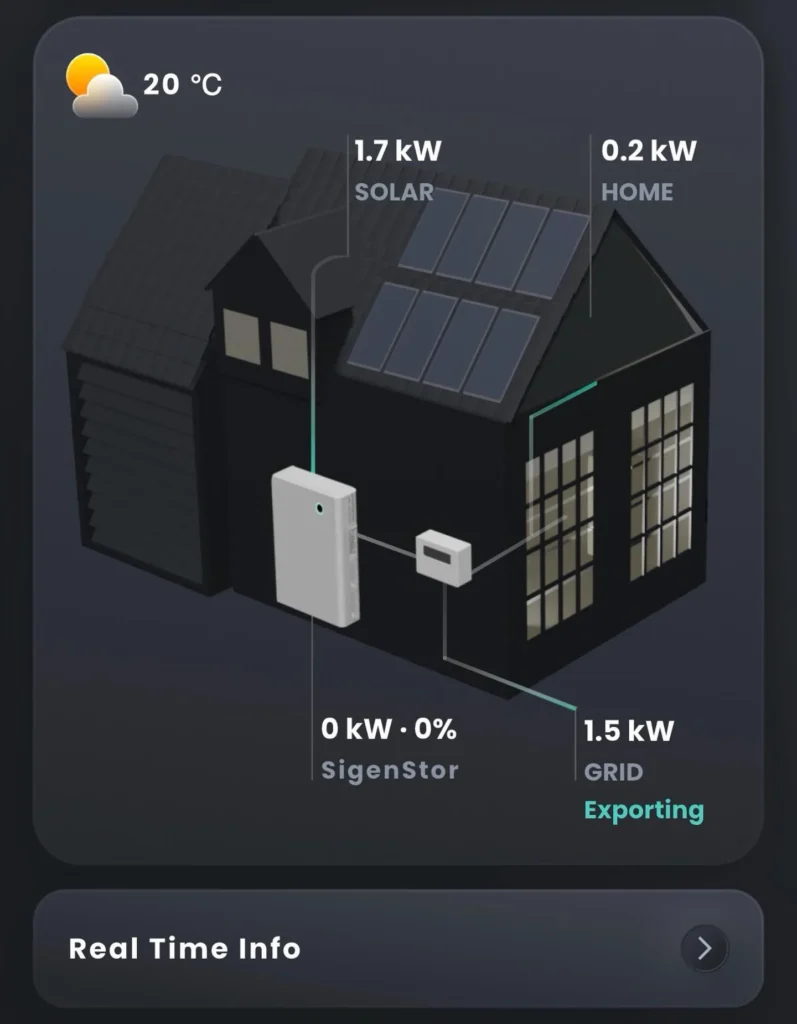
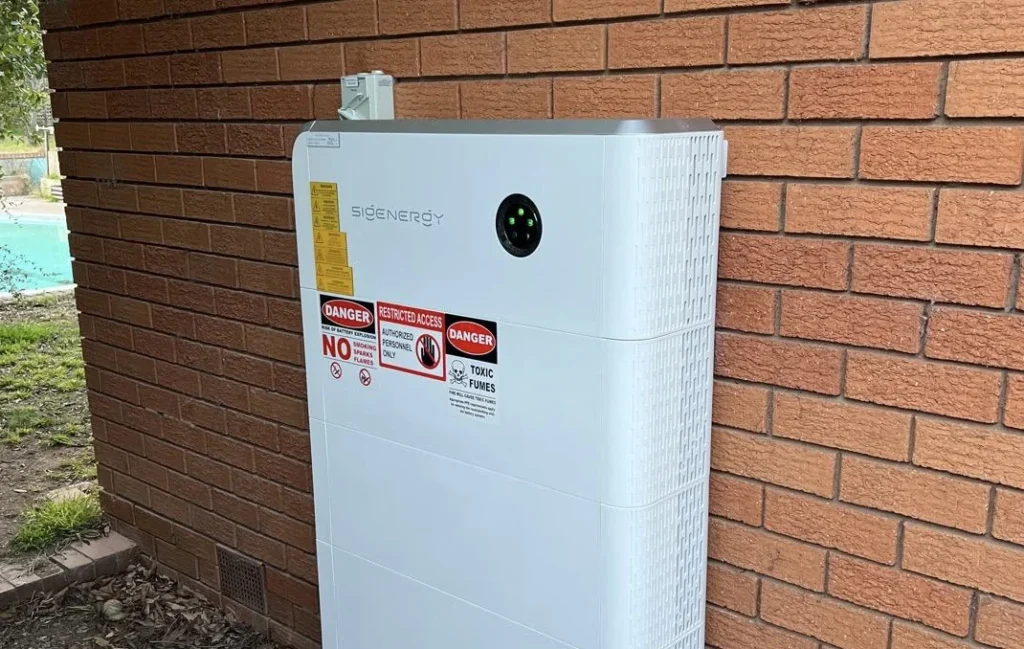
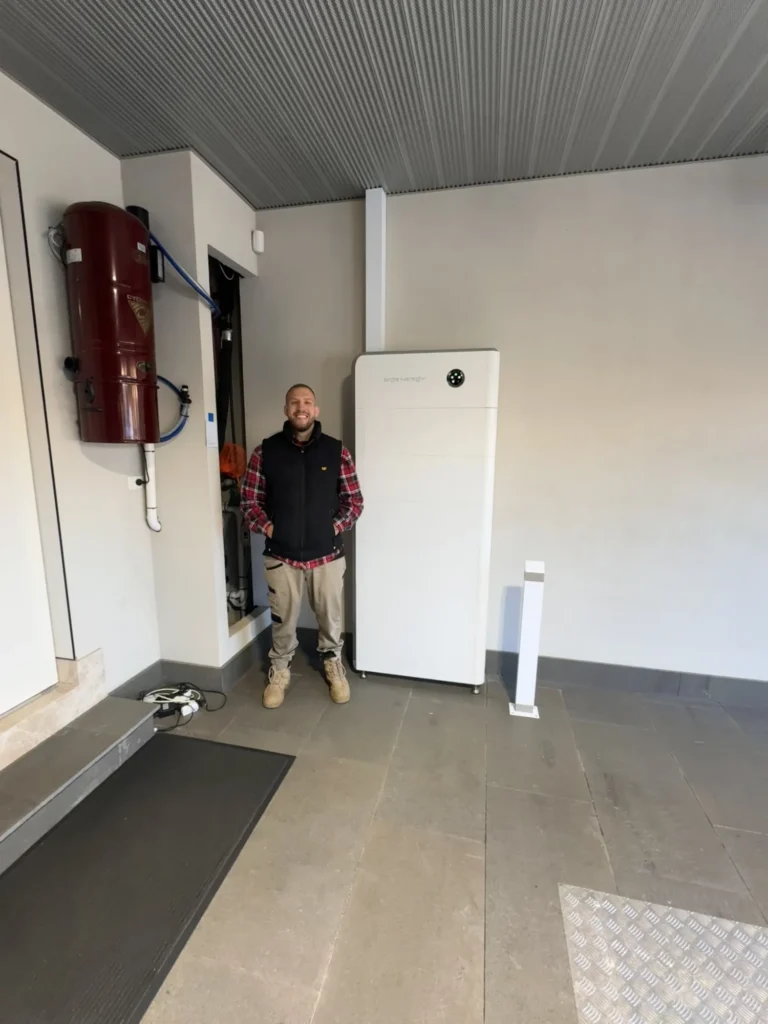
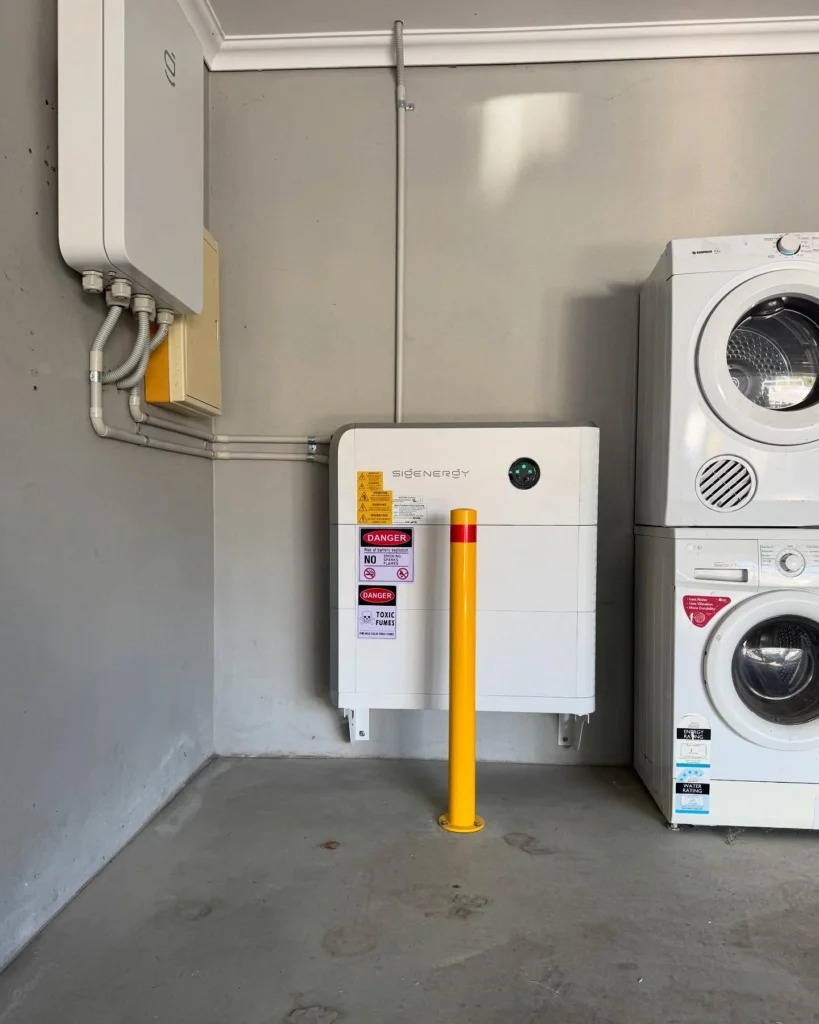
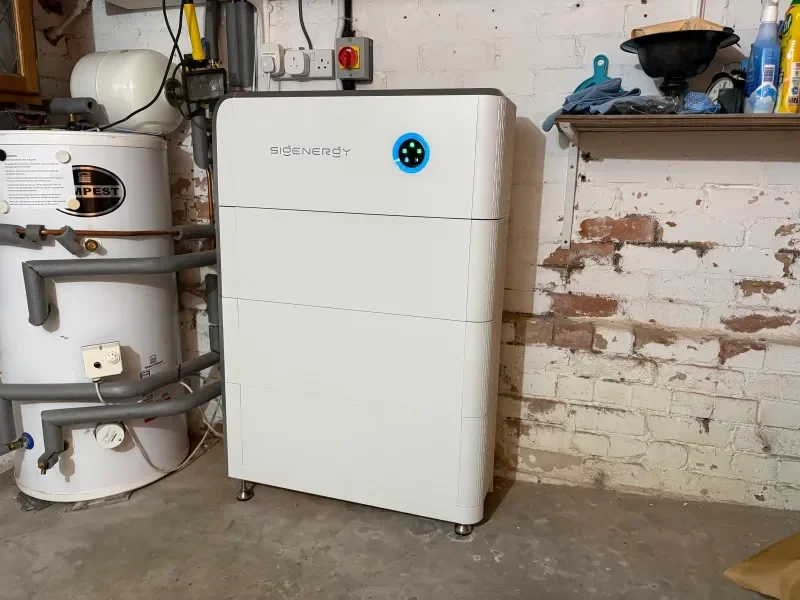
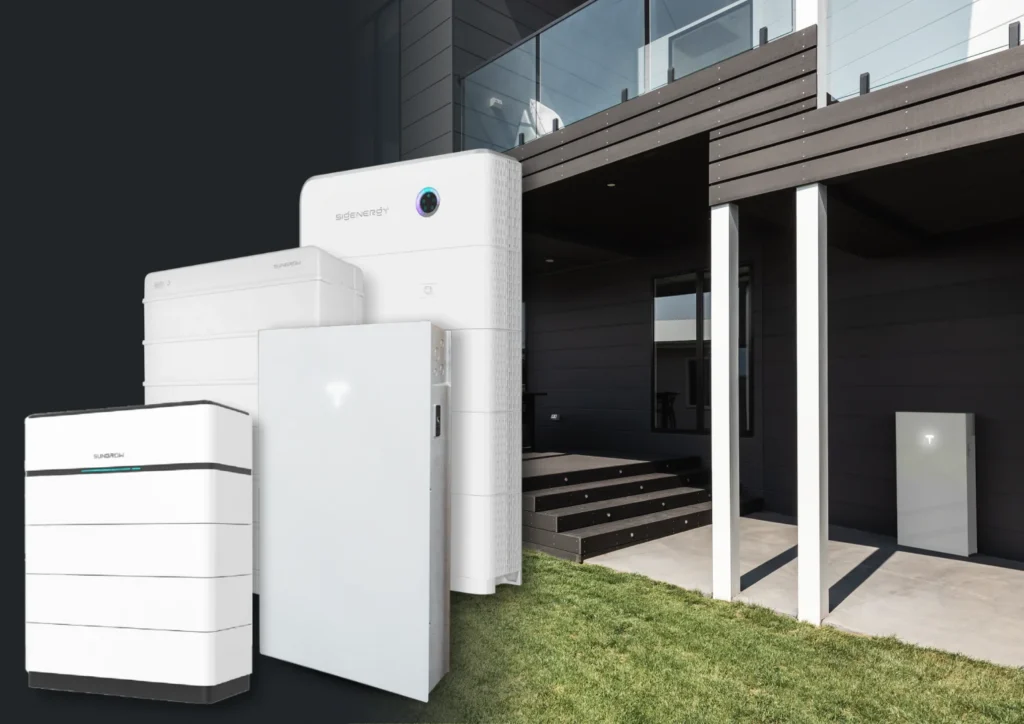
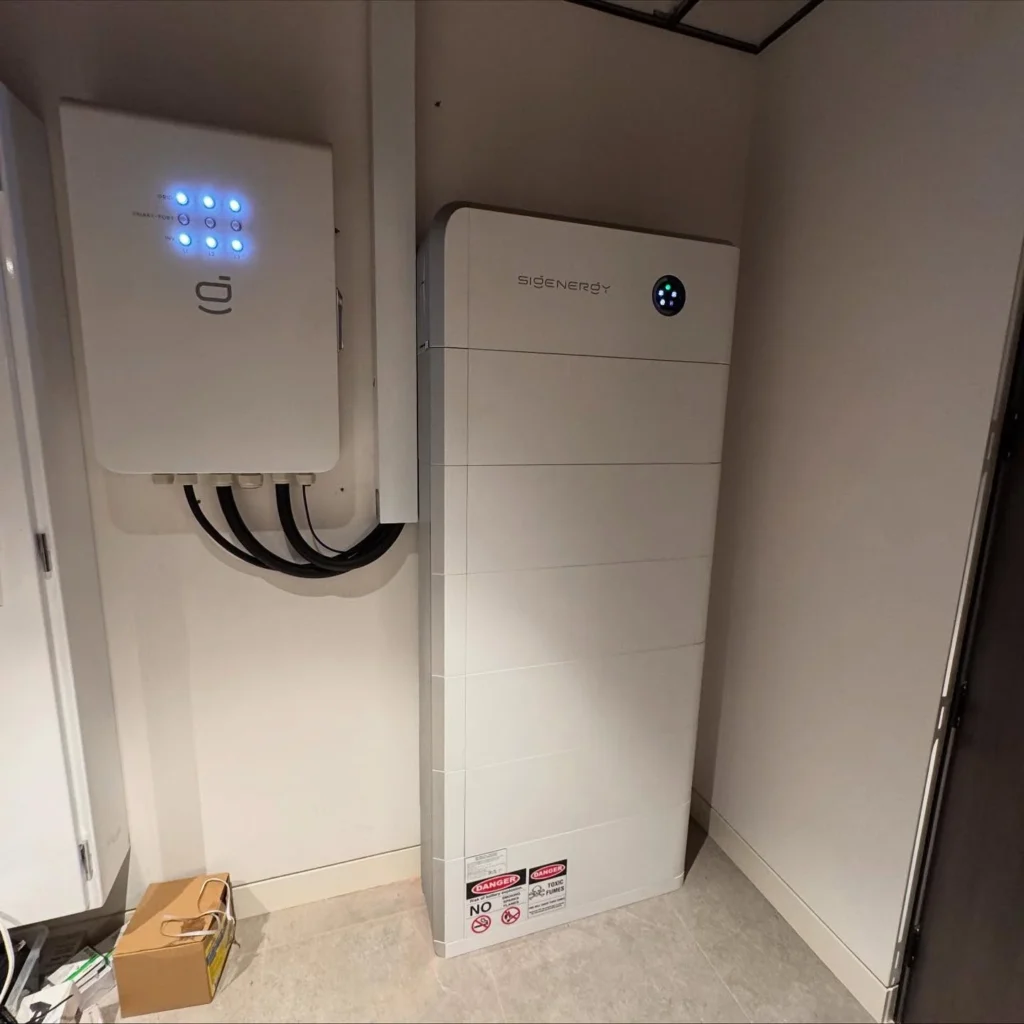
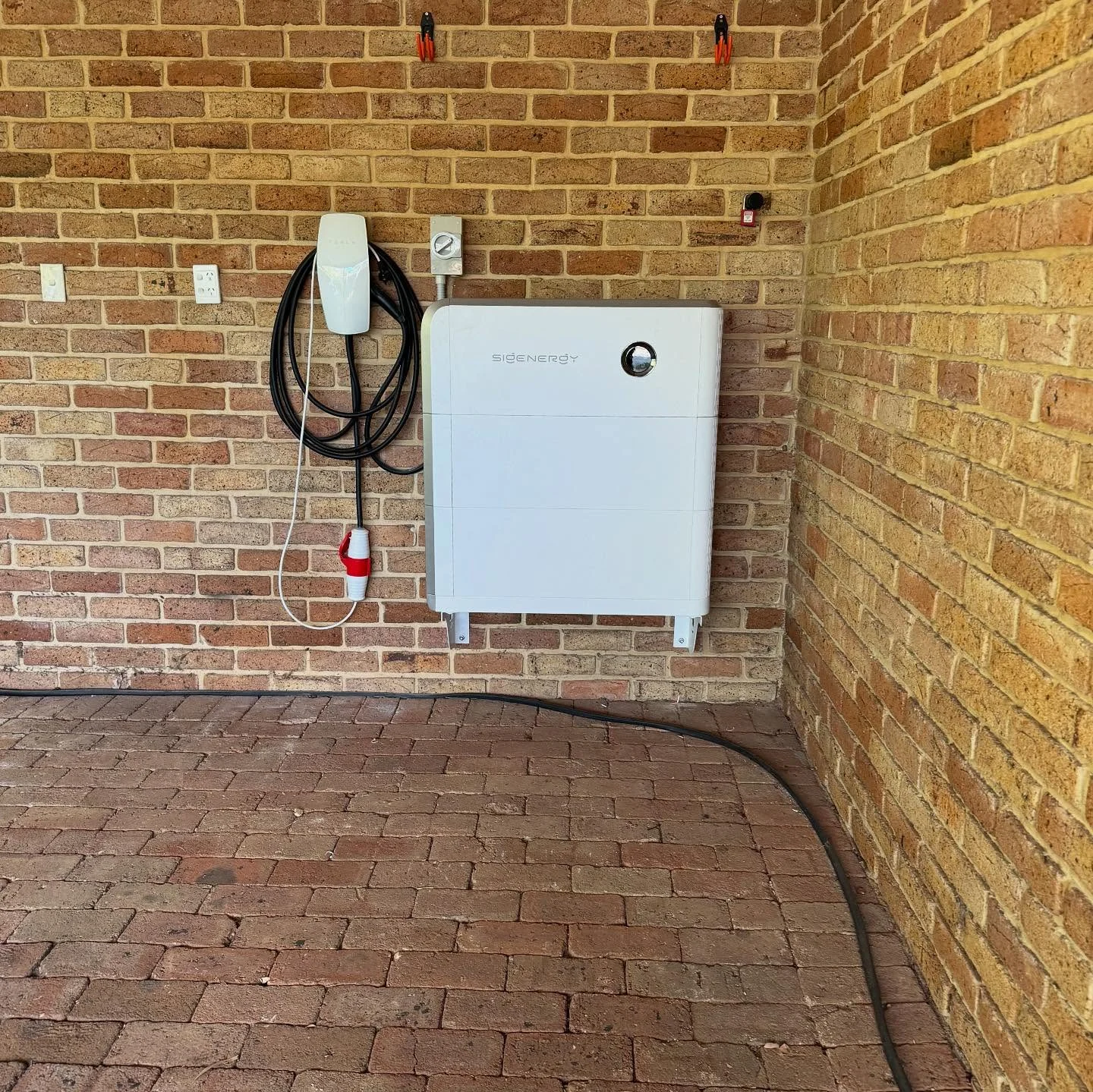
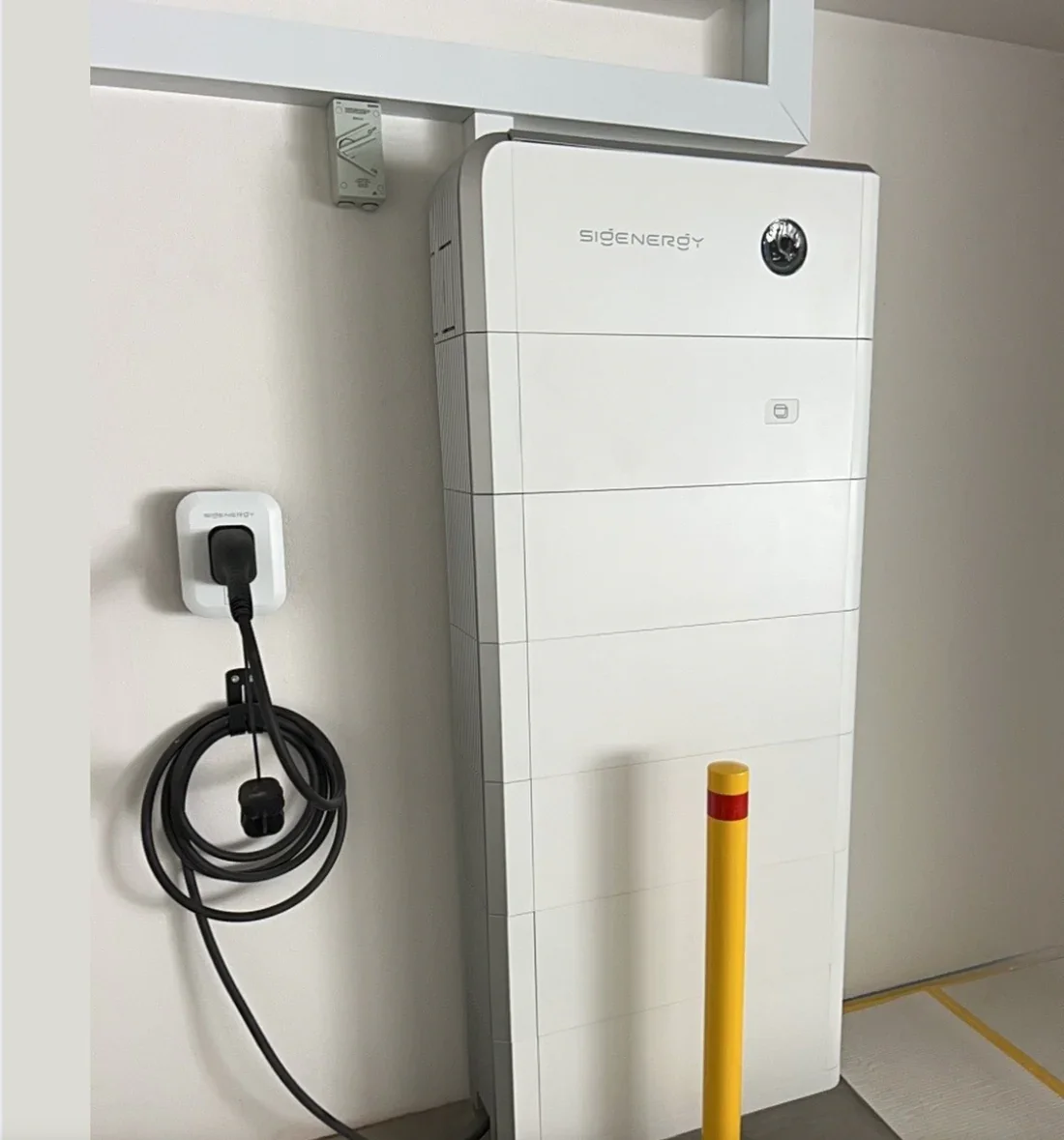
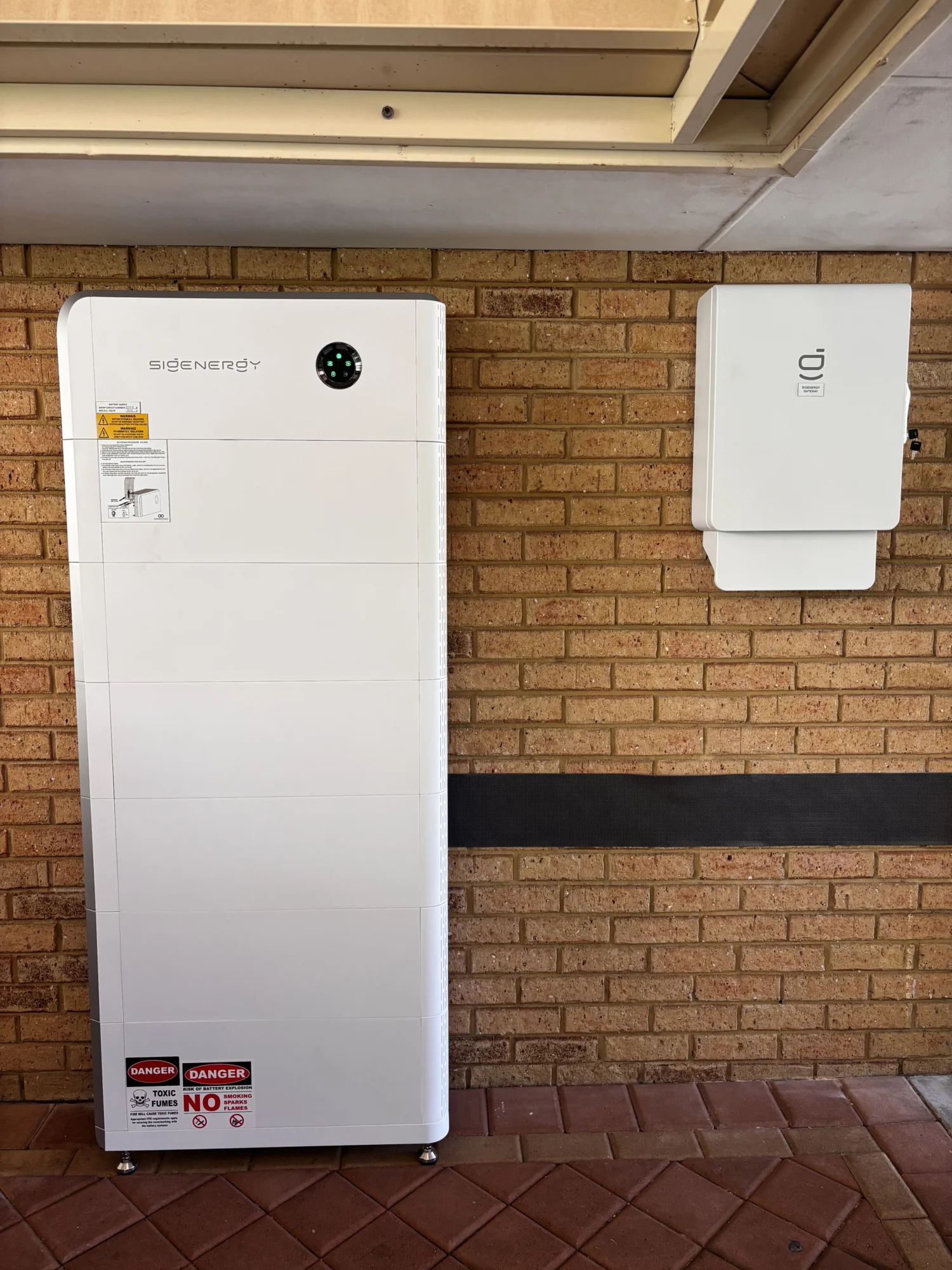
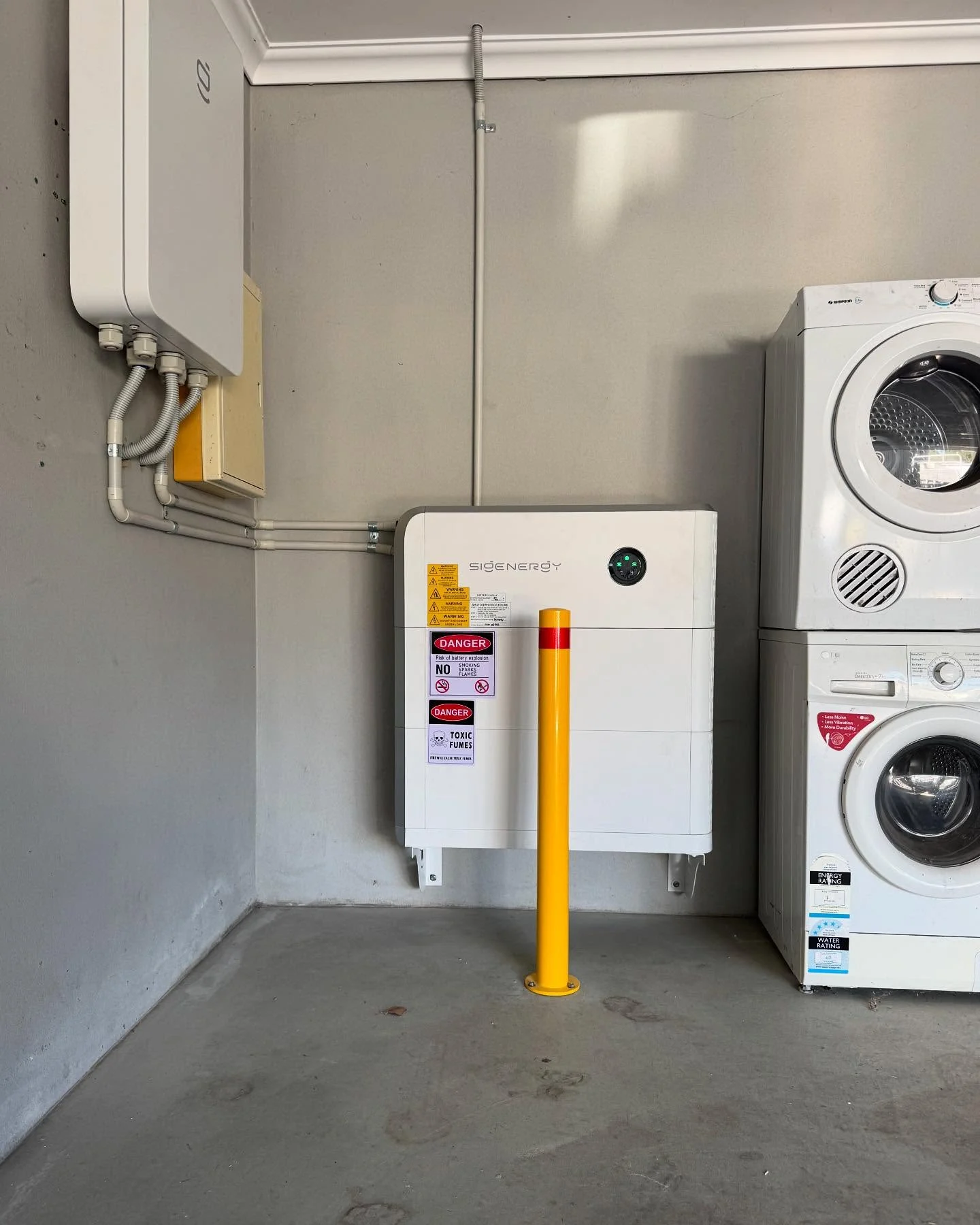
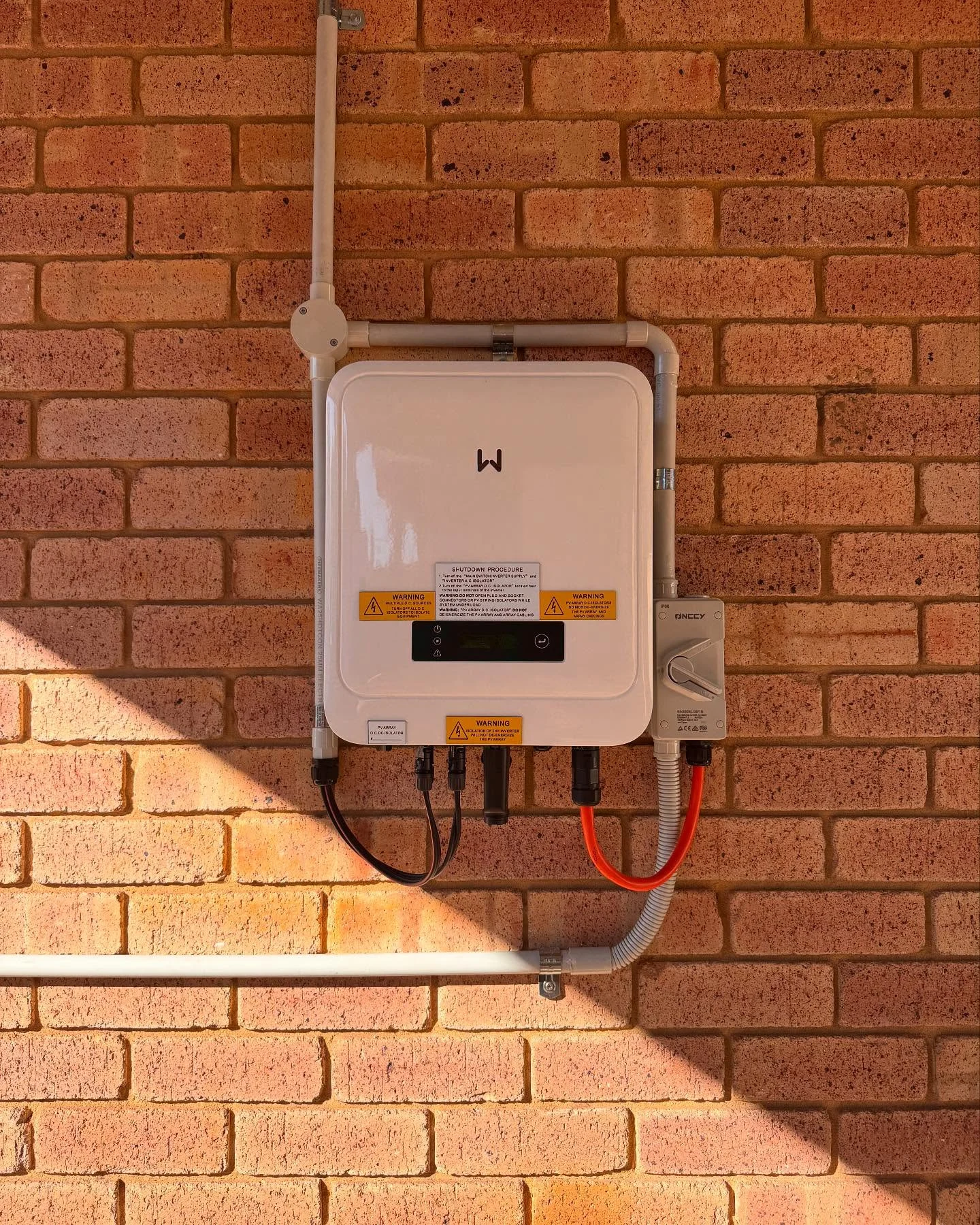
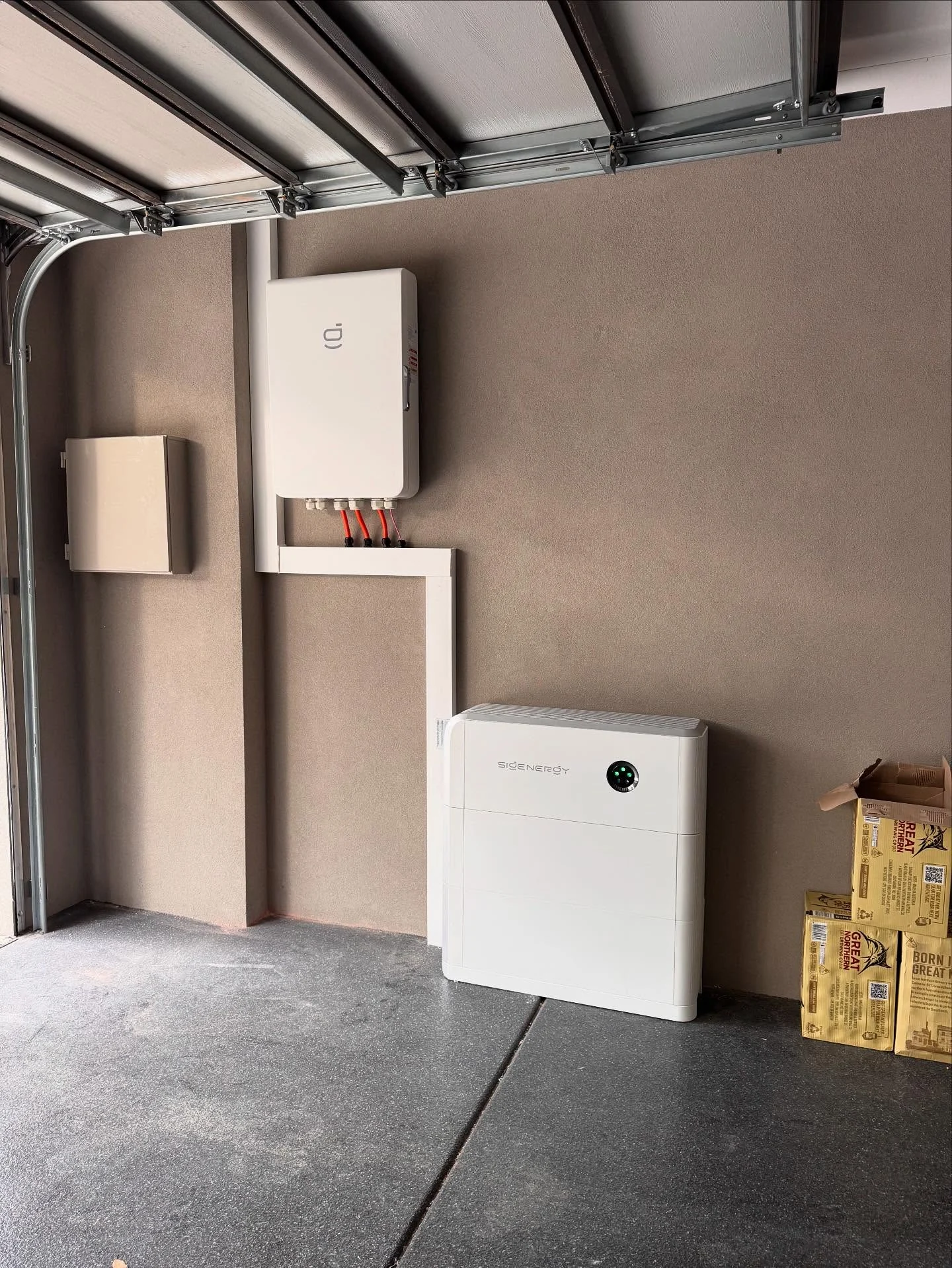
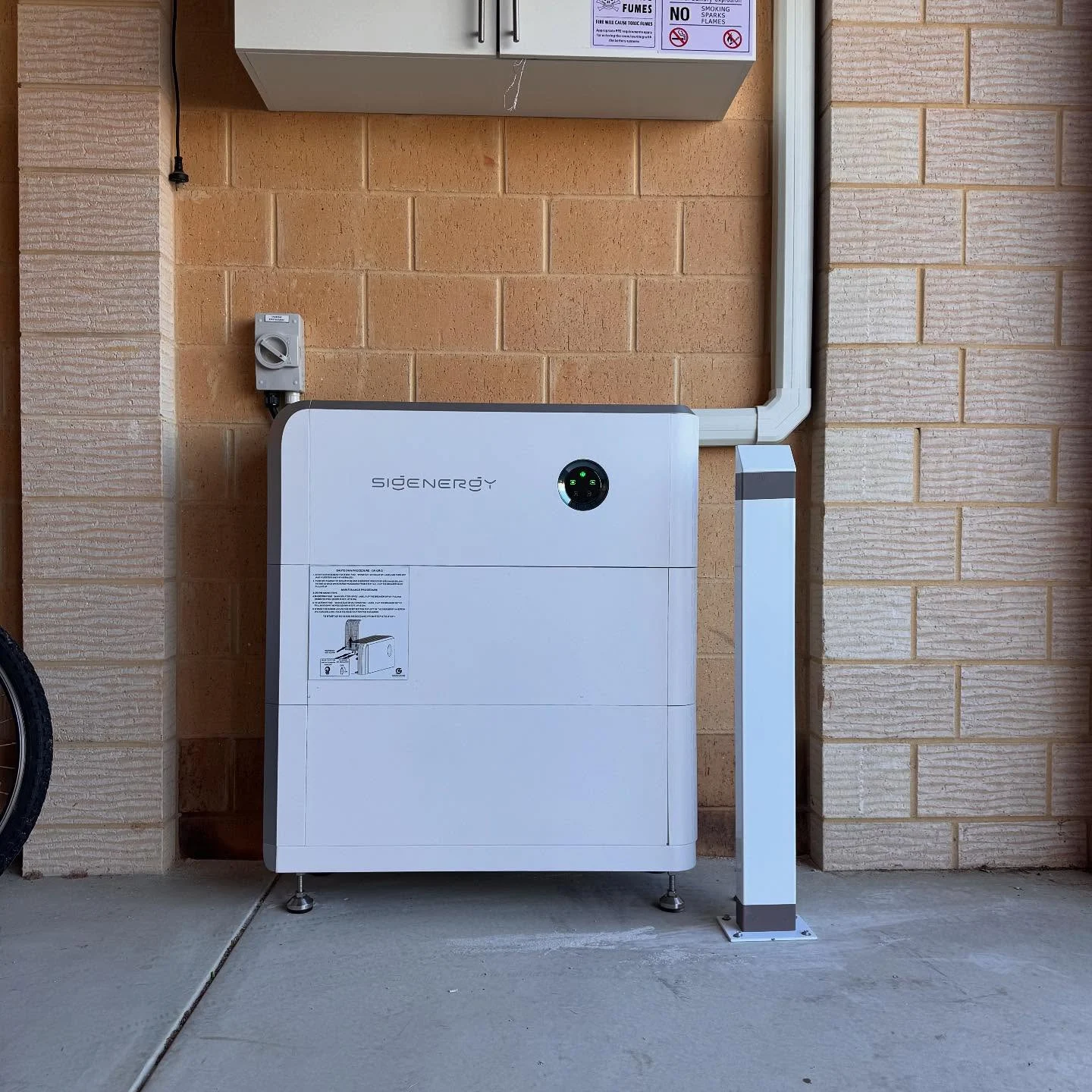
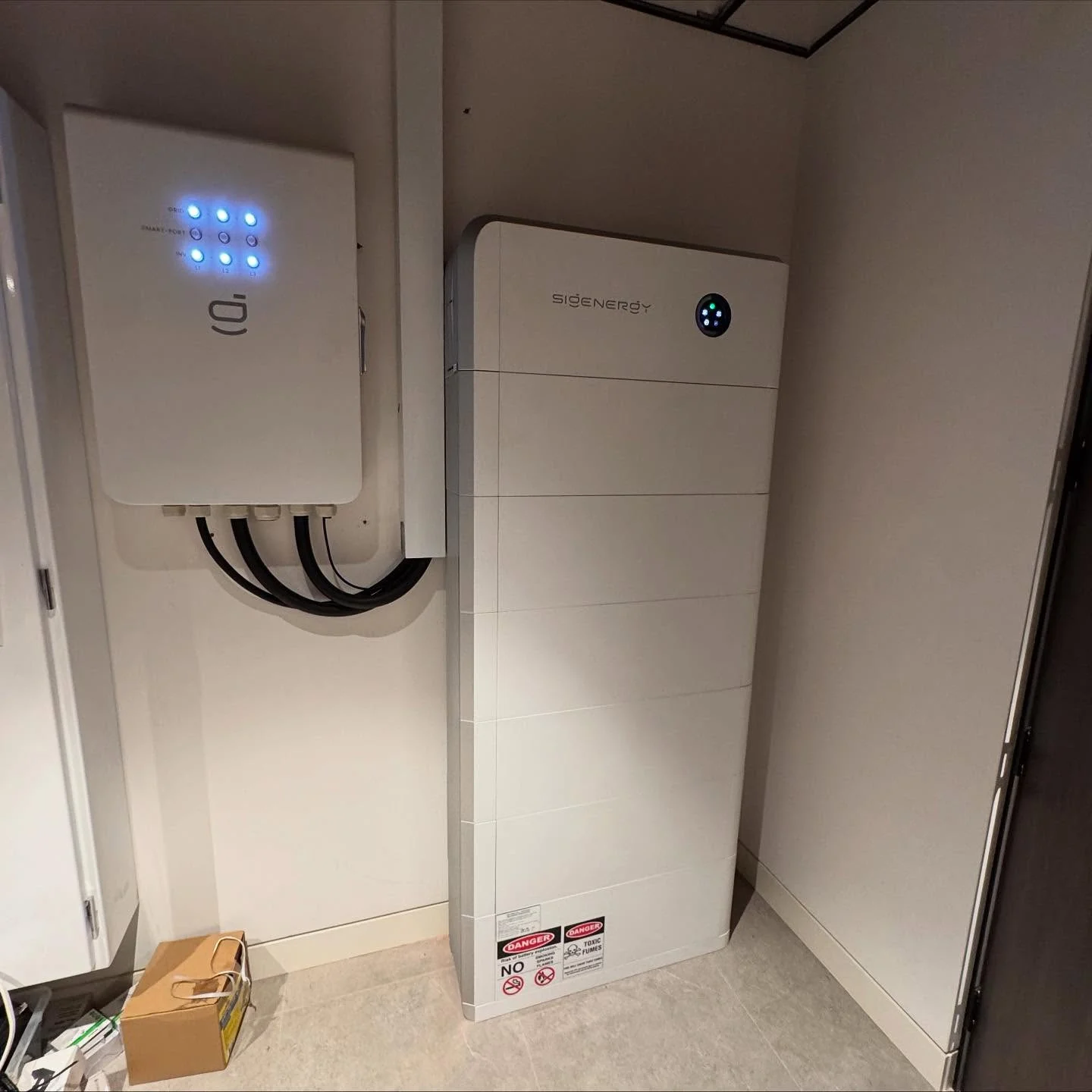
Sigenergy builds its equipment as a stack rather than as separate boxes from separate brands. The inverter, the battery modules and the EV charging side share one design, one gateway and one app, so the parts talk to each other instead of being wired together and hoped for. In practice that means solar goes to the house first, then to the battery, then to the car, and the system decides the order based on how you have set it up.
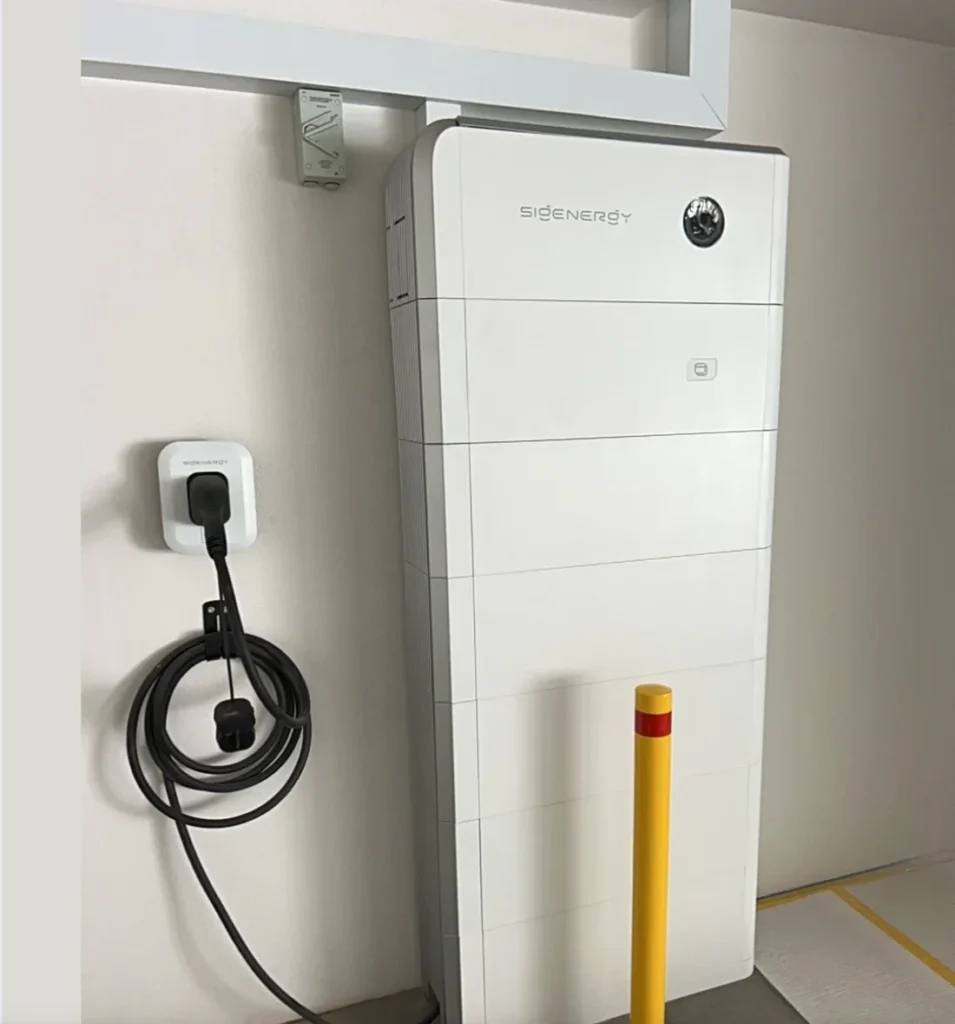
The battery is modular. You start at a capacity that suits the household and stack more modules later if the load grows, which matters if an electric vehicle or a heat pump is on the horizon. The same stack can also feed a Sigenergy EV charger, so the car charges from stored solar in the evening rather than from the grid.
Backup is set at design stage. The gateway decides which circuits stay live in an outage, and those circuits have to be identified and wired before commissioning, not afterwards.